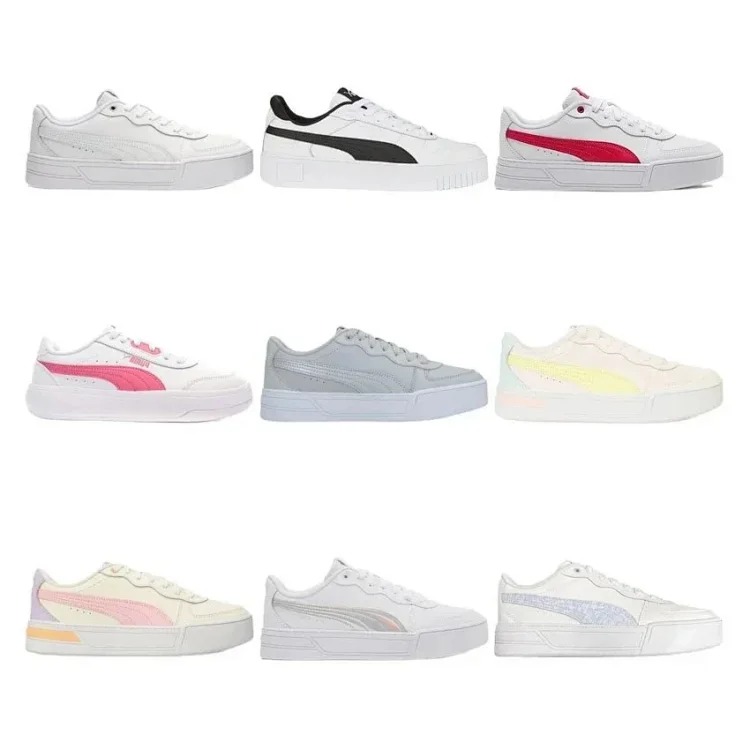
 Low-profile casual sneakers
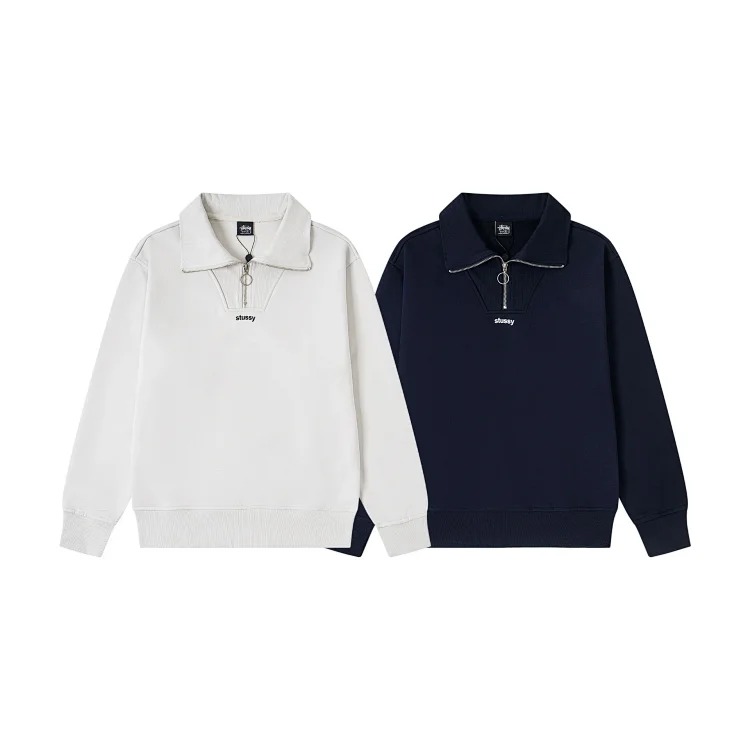 Straight-fit half-zip stand-collar sweatshirt
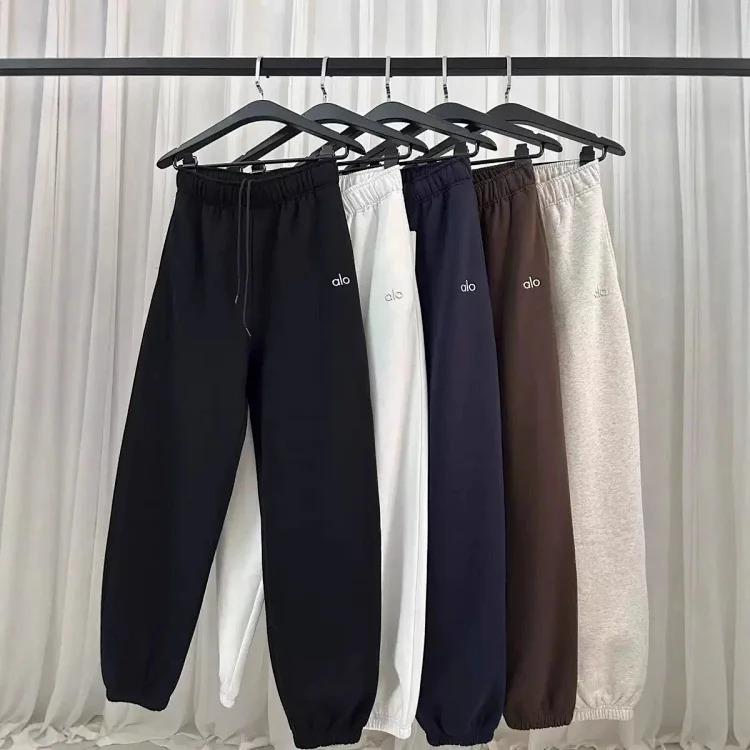 Relaxed drawstring wide-leg pants
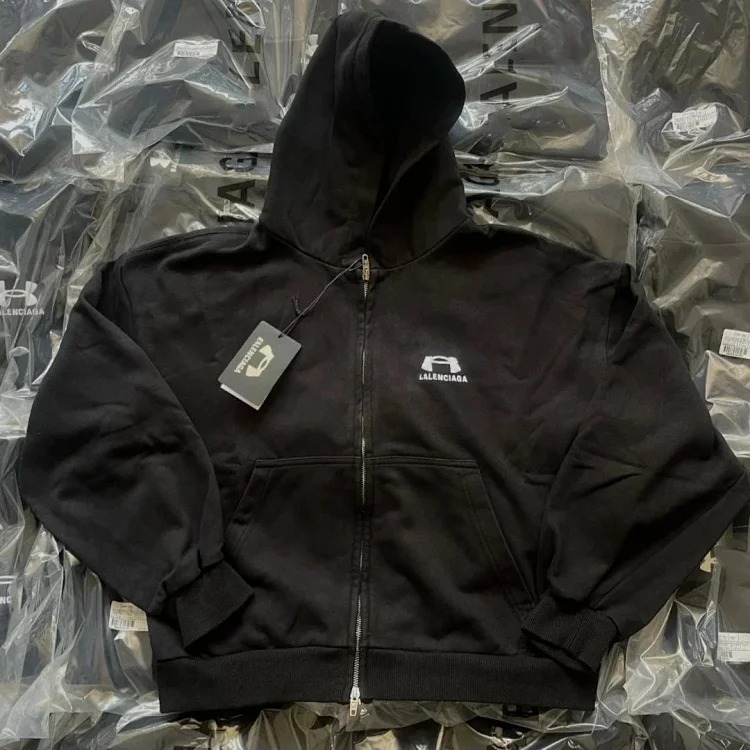 Embroidered zip sweatshirt jacket
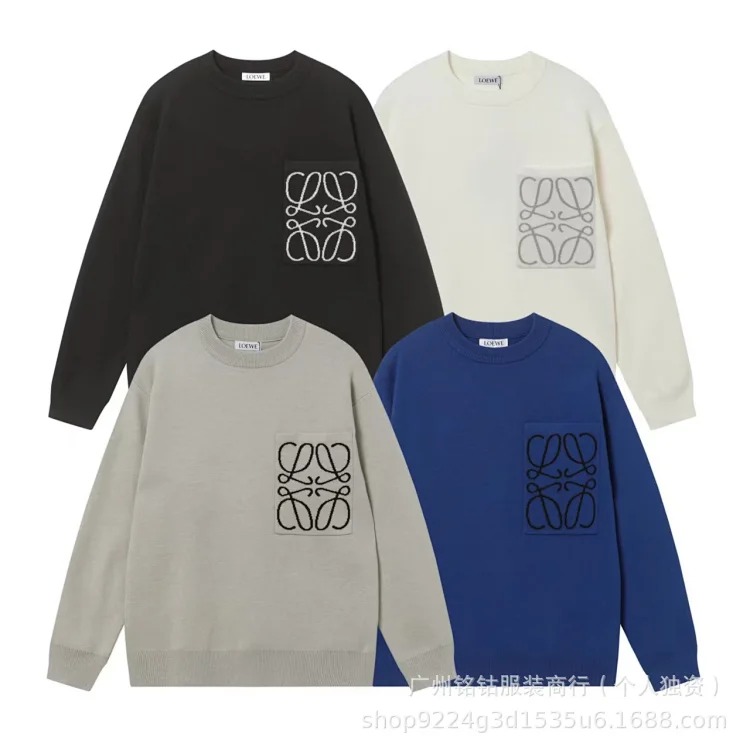 Round-neck jacquard knit sweater
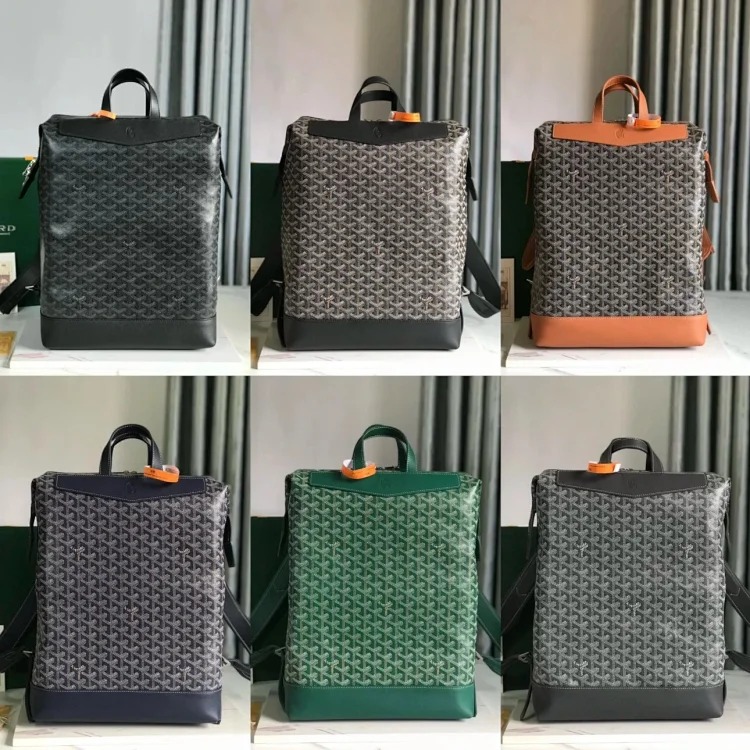 OutfitReps bags research shelf
Start with verified OutfitReps destinations, not random copied links
The best BBDBuy PandaBuy OutfitReps links are useful because they shorten discovery without removing the buyer's responsibility to verify. An international researcher should treat every link as a current lead, not a permanent guarantee. Open the destination, confirm that it belongs to the expected OutfitReps category or product page, compare the title and gallery with the saved description, and record the date. A link that loaded correctly last month may now show a changed option, price, image set or product.
Begin with broad category shelves when the product role is not yet fixed. Shoes, hoodies, pants, jackets, sweaters and bags each reveal a range of silhouettes and evidence quality. Save a specific product only when it fills a defined need such as a light travel shoe, neutral daily layer, relaxed bottom, weather layer or compact carry option. This role-based filter prevents an international order from becoming a collection of attractive pieces that duplicate one another or cannot form useful outfits.
Keep a clean research record beside the link. Useful fields include category, product name, exact destination, visible price, selected color, target size, seller measurements, material claim, image coverage, verification date and status. Use stages such as checking, shortlisted, agent-ready, ordered and rejected. A bare bookmark cannot explain why a product advanced, while a short structured row keeps the decision evidence visible when the link is reviewed days later.
Check the lowest displayed price carefully. It may represent an accessory, deposit, special variation or incomplete option rather than the full product shown in the main image. Translate every option before submitting it to an agent and keep the chosen variation in the research record. If the page cannot be described clearly enough for an agent to order without guessing, the link is not ready, even if the gallery looks convincing.
Compare product evidence across categories
Product evidence should answer category-specific questions. For shoes, inspect toe shape, side profile, heel structure, panel alignment, outsole and any size-chart explanation. For hoodies and sweaters, compare shoulder width, chest, sleeve, body length, fabric texture, ribbing and interior finish. Pants require waist, rise, thigh, inseam and hem information. Jackets need closure, lining, pockets and layering space, while bags need interior dimensions, compartments, strap range, corners and hardware.
A large gallery is not automatically a strong gallery. Styled photographs can demonstrate proportion but may hide seams, labels, closures or the rear view. Record which decisive angles are present and which are missing. The six OutfitReps examples linked above are useful for testing this process because their categories require different evidence. A generic three-photo checklist cannot establish insole length for a shoe and internal capacity for a bag at the same time.
Compare at least three candidates in the same category before making a shortlist. Use consistent fields so that one attractive image does not receive more weight than measurement clarity, construction and total cost. A candidate with quieter marketing but complete measurements may be safer than a visually dramatic listing with ambiguous options. Keep only one or two finalists and add a sentence describing why each one remains, such as best measurement match, lowest shipping volume or strongest evidence.
Save screenshots only as supporting context. The live page remains the destination that the agent will order from, so recheck it immediately before payment. If a product has changed, archive the earlier row and create a new version rather than attaching old evidence to the new page. That simple version rule keeps research honest and prevents confidence from being transferred to a listing that no longer matches the original candidate.
Use measurement-first sizing and prepare precise QC requests
International sizing research should begin with a garment or shoe that already fits. Measure it using the same method shown in the seller chart, then compare actual dimensions rather than familiar letter sizes. For tops, prioritize chest, shoulder and total length; for pants, waist, rise, thigh and inseam; for shoes, insole length and width; for bags, usable internal dimensions and strap drop. Note whether a chart describes body size or finished garment size and allow for normal production tolerance.
Fit intention belongs in the record. A relaxed hoodie may need extra chest width but should still have a controlled body length. Wide pants must work with the planned shoe and desired hem break. A jacket needs enough room for the intended base layer without creating a distorted shoulder line. The same numeric measurement can be right or wrong depending on the product role, so the shortlist should state whether the goal is fitted, regular, relaxed, oversized or structured.
Turn every unresolved sizing issue into a warehouse QC request before the item arrives. Ask for a ruler photograph across the chest, total length or insole instead of a vague confirmation that the size is correct. Specify the measurement endpoints. A printed size label only proves which label was attached; it does not prove that the received dimensions match the chart or the fit plan.
QC should also cover symmetry, stitching, print or embroidery placement, zipper alignment, hardware, visible damage and color. Compare warehouse photographs with the saved OutfitReps gallery and selected variation. Request a neutral-light image when color is decisive. Use four clear outcomes: keep, request more evidence, exchange or return. Recording the reason improves future research and prevents a weak item from being included in an international parcel simply because domestic delivery has already been paid.
Connect each OutfitReps link to an agent-ready order
When a candidate passes research, copy the exact URL into the chosen shopping agent's order form. State the variation, color, size, quantity and any translated seller option. Add one or two priority notes and ask the agent to contact you if the seller proposes a substitution. The full research explanation remains in your board; the agent note should be concise enough to translate and execute without ambiguity.
Confirm domestic delivery, service charges, return window and warehouse procedures before payment. Different agents may handle seller communication, measurements, extra photos and returns differently. A strong product link cannot compensate for an agent route that lacks the services needed to resolve its remaining risks. International buyers should compare support and QC capabilities alongside headline fees.
When the warehouse receives the item, match the order number to the exact research row. Review product identity and variation first, measurements second, then construction and cosmetic details. Do not approve a batch from thumbnail views. Inspect each category using its own checklist and keep decisions independent. One successful hoodie does not prove that the shoes or bag in the same parcel meet their evidence requirements.
Track the seller and agent return deadlines as soon as warehouse receipt is recorded. Extra photographs and measurements consume time, so request decisive evidence first and avoid collecting images that cannot change the decision. Keep the original listing screenshot, warehouse evidence and agent message together until the item is accepted or returned. This timeline protects international buyers from discovering a clear defect only after the domestic return window has closed.
Store the final warehouse measurements and QC outcome beside the link. This creates a personal reference for future orders. A known sweatshirt chest width or sneaker insole length is more useful than general advice to size up. If a candidate is exchanged or returned, record the reason and resolution. The history turns product discovery into a learning system instead of repeating the same uncertainty with every new listing.
Plan international shipping before consolidation
Shipping can change the value of every OutfitReps link. Estimate product weight, protective packaging and volume while the shortlist is still flexible. Shoes with boxes, structured bags, thick hoodies and padded jackets can increase volumetric or actual weight. Add a conservative freight range to the product price, domestic delivery and agent charges so candidates are compared by likely landed cost rather than the smallest number displayed on the listing.
Check route compatibility for the complete parcel. Restricted materials, batteries, liquids or brand-sensitive goods may reduce available lines or force a split. Ask the agent which routes accept the planned item mix, what insurance covers, how declarations work and whether packaging can be removed safely. Removing a shoe box may reduce volume, but protection and collectability can justify keeping it. The decision should be recorded before parcel submission.
Consolidate only after every item passes QC. A returned jacket or incorrectly sized shoe should not occupy international shipping space. Photograph the consolidated parcel when useful, review the declared contents and choose a route based on destination, reliability, restrictions, tracking, cost and realistic transit time. The cheapest quotation is not automatically the best route if it adds risk or lacks suitable protection.
Continue from the PandaBuy Best Links homepage for current category shelves, use the news archive for the spreadsheet, product research board and QC guides, and compare the OutfitReps full product index with the specific links in this article. Verify destinations and measurements again before ordering. That repeatable sequence—discover, compare, measure, submit, inspect and ship—makes BBDBuy PandaBuy OutfitReps links practical for international research rather than a collection of untested shortcuts.