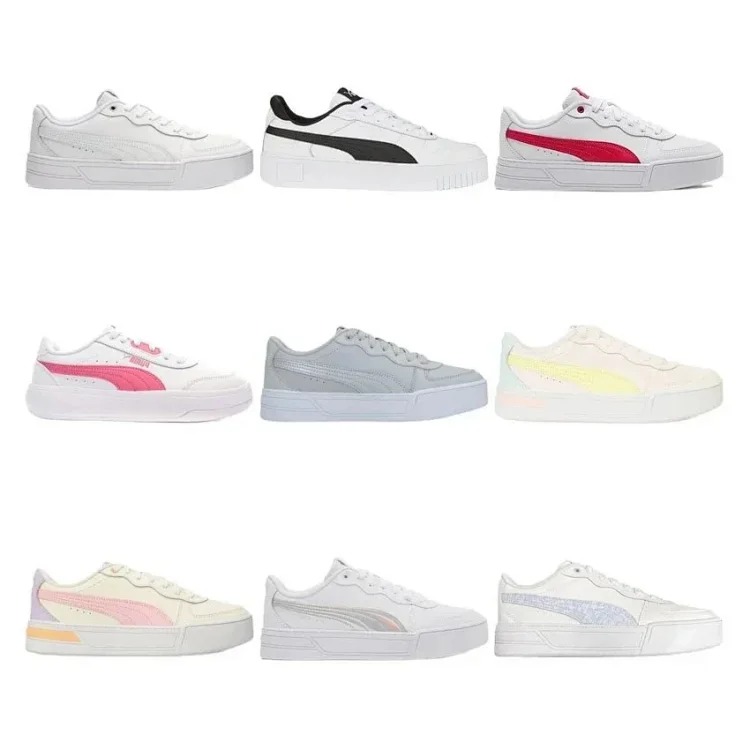
 Low-profile casual sneakers
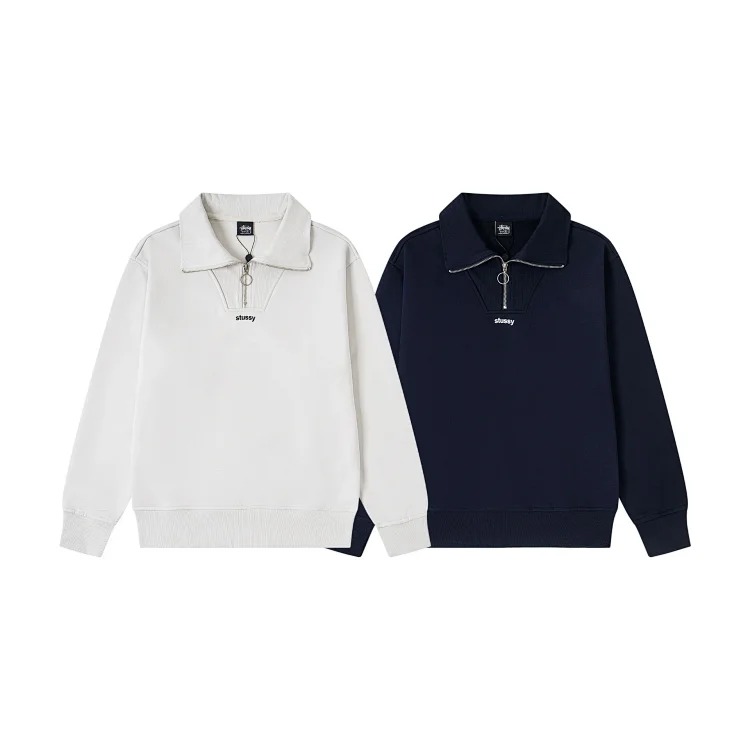 Straight-fit half-zip stand-collar sweatshirt
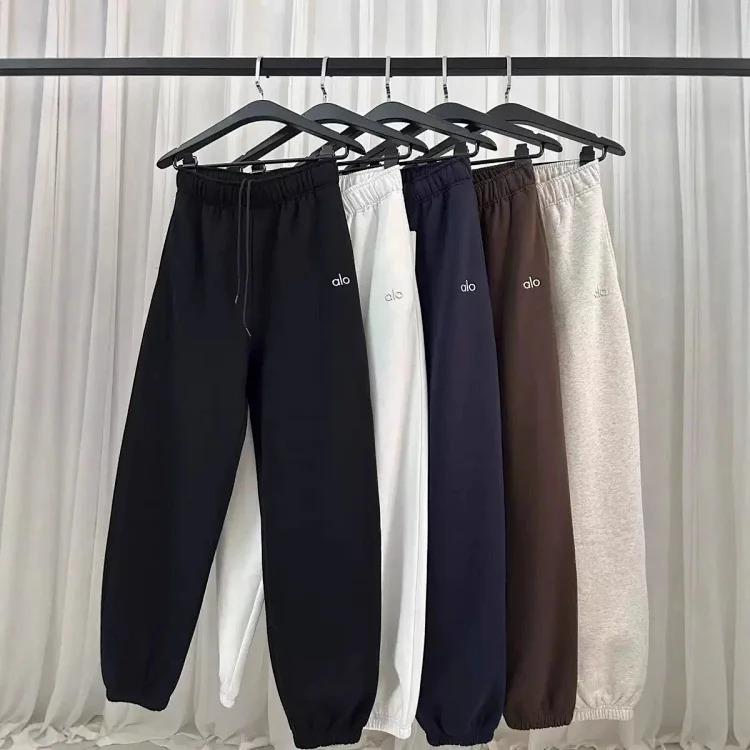 Relaxed drawstring wide-leg pants
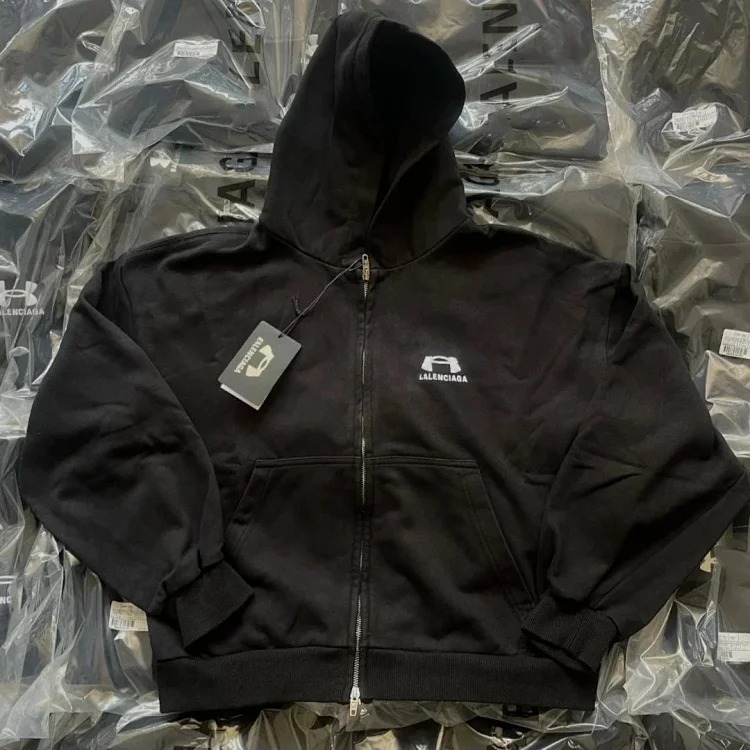 Embroidered zip sweatshirt jacket
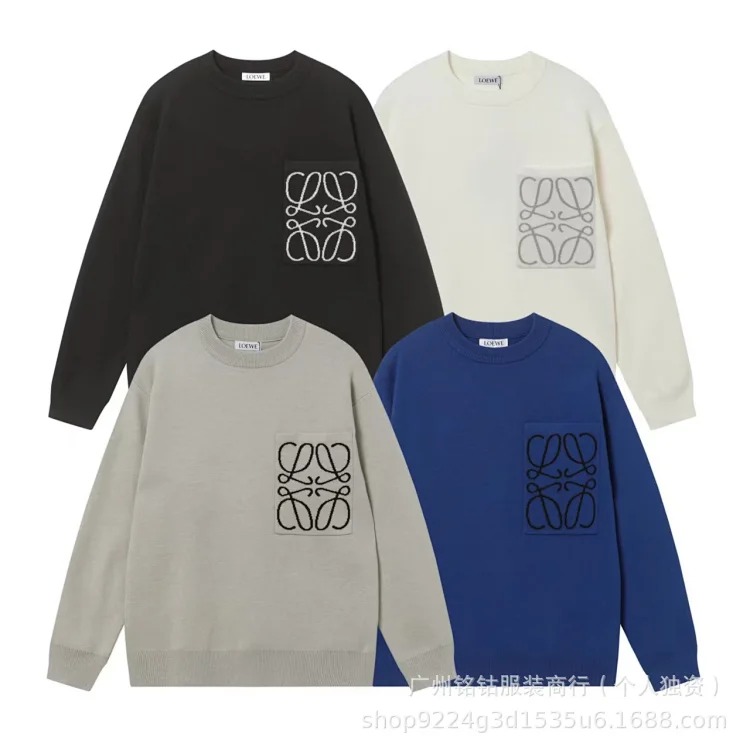 Round-neck jacquard knit sweater
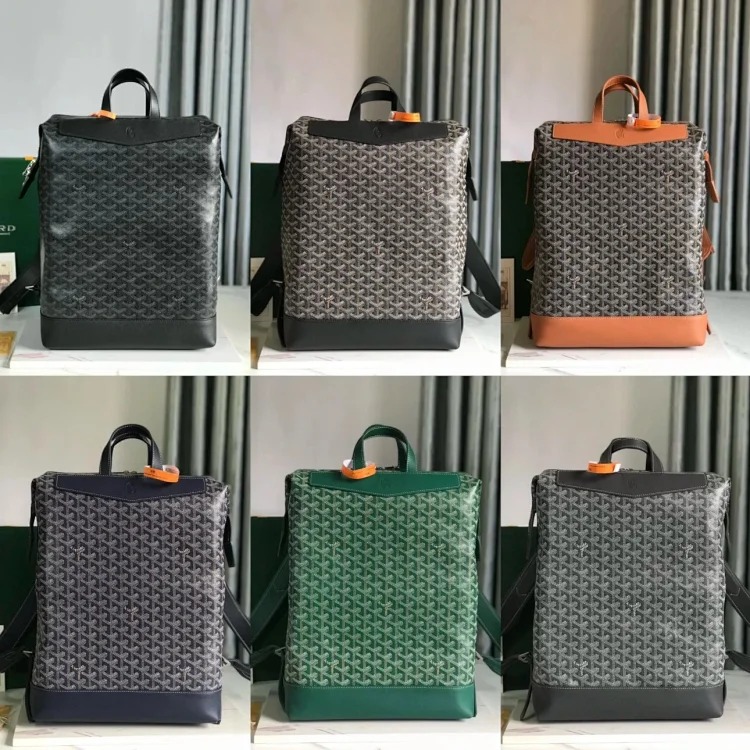 OutfitReps bags research shelf
What separates a product research board from a normal list
A normal product list answers one question: which links did someone save? A BBDBuy PandaBuy product research board answers a more useful set of questions: what does each link contain, when was it checked, which evidence supports it, how should it fit, what might go wrong, and what must an agent confirm before shipping? Both formats can begin as a spreadsheet, bookmark folder, or notes page, but their information architecture is different. A list is designed for collection. A board is designed for comparison and decision-making.
The distinction matters because product links change. A listing can disappear, switch variations, display a new default price, or reuse images for a related item. A bare URL gives the buyer no reference when that happens. A research board stores the clean destination, category, product role, visible price, color and size options, measurement evidence, image evidence, verification date, and current status. If the page changes, the discrepancy becomes visible instead of silently changing the meaning of the saved link.
A board also limits noise. Instead of placing every attractive find in one endless column, it groups candidates by category or wardrobe job and gives each one a defined stage: discovered, checking, shortlisted, agent-ready, ordered, rejected, or archived. That small workflow exposes duplicates and missing facts. Five well-documented candidates can therefore be more useful than five hundred links whose products, sizes, or destinations have never been checked.
Compare speed, evidence and maintenance cost
Normal lists are faster at the moment of discovery. Saving a link takes seconds, so a list works well as a temporary inbox. The weakness appears later, when the buyer must reopen many pages and reconstruct why each one looked promising. A research board moves some of that work forward. Adding a concise title, category, thumbnail, target size, product role and verification note may take two minutes, but those minutes prevent repeated browsing when the shortlist is reviewed with an agent.
Evidence is where the board has the strongest advantage. Each candidate can be scored for destination clarity, gallery coverage, measurement confidence, construction details and estimated value. A red-flag column keeps serious problems separate from an average score. Missing insole length, an ambiguous variation, a deposit-only price, or an unclear bag interior should not disappear behind attractive photographs. The board shows exactly which fact must be resolved before a product can advance.
The trade-off is maintenance. A research board should not pretend to be a permanent catalog. Add a last-checked date, archive dead or changed links, and revisit only active candidates. Category pages such as OutfitReps shoes, hoodies and bags can be used to discover replacements without keeping every individual listing forever. A focused board with ten to twenty current candidates is usually easier to maintain than a huge list that preserves outdated products merely to look comprehensive.
Build a board that supports sizing and QC
For apparel, create fields for chest, shoulder, sleeve, body length, waist, rise, thigh and inseam where relevant. Store seller measurements beside a comparable garment that already fits. Do not treat letter sizes as evidence, because two products marked medium can have different intended silhouettes and measurement methods. Note whether the chart describes garment dimensions or body dimensions and whether the seller states a production tolerance. This makes the board a sizing tool rather than a list of guesses.
Product images should be treated as evidence with limits. Record whether the gallery shows front, back, sides, labels, fabric texture, closures and scale. Shoes need toe, heel, outsole and preferably insole information. Bags need interior, strap, hardware and capacity evidence. Jackets need lining, zipper, pockets and hem. The six OutfitReps examples above have different evidence needs, which is why one generic image checklist cannot replace category-specific fields.
Turn the missing fields into warehouse QC requests. For a sneaker, request left-right symmetry, toe shape, heel alignment, outsole and insole length. For a hoodie or jacket, request chest and total length, print or embroidery position, zipper path and cuff consistency. For pants, request waist, rise and inseam. For a bag, request internal compartments, closures, corners and strap measurements. A board makes these requests visible before the item arrives, when there is time to write clear agent instructions.
Connect shortlisted links to the agent route and shipping plan
Once a candidate becomes agent-ready, the research board should generate a short order note rather than a long essay. Copy the exact URL, variation, color, size and quantity. Add one or two decisive requests, such as confirming a translated option or measuring the insole after arrival. Ask the agent to stop and contact you if the seller substitutes a variation. The board keeps the full reasoning; the order note communicates only what is necessary to purchase the intended product.
When warehouse photographs arrive, compare them with the saved listing images and board notes. Check the correct item and variation first, then measurements, construction, symmetry, damage and color. Use four outcomes: keep, request more evidence, exchange, or return. Record the reason and link the relevant QC image or measurement. This decision history helps future research because it reveals which seller claims, categories and measurement methods were reliable.
Shipping belongs on the same board because international cost can change product value. Estimate domestic delivery, service charges, packed weight and volume before consolidation. Shoes and structured bags may be volumetric; heavy hoodies and jackets may shift the best route. Record whether packaging can be removed, whether protection must be retained, and whether route restrictions affect the item mix. Consolidate only after every product passes QC, so a rejected item does not increase international freight.
Choose the right format and keep the workflow repeatable
Use a normal list for rapid capture when browsing. Use a research board for anything that may enter an order. A practical hybrid starts with an inbox column, promotes promising finds into structured category rows, and archives the rest. This prevents research fields from slowing discovery while ensuring that no unverified link reaches the agent-ready stage. The conversion rule can be simple: a product earns a board row only when it fills a defined wardrobe or use-case gap.
Review candidates in small category groups. Compare at least three options for shoes, hoodies, pants, jackets, sweaters or bags, but keep only one or two finalists. Write a one-sentence role for every finalist, such as daily neutral layer, weather-resistant outer piece, lightweight travel shoe, or compact work bag. Role notes reveal duplication faster than product names and make it easier to remove an exciting item that does not improve the planned wardrobe or parcel.
After delivery, close the loop. Add received measurements, fit outcome, observed material, useful QC requests, packed weight and shipping result. The board then becomes a personal reference for later orders. A known hoodie chest width or sneaker insole length provides better sizing evidence than generic advice. Real parcel data improves cost estimates. Over time, the value comes not from storing more links, but from preserving verified decisions that make the next shortlist faster and safer.
Version control can remain simple. Give every active row a verification date and keep a short change note when the price, gallery, size range or destination differs from the previous check. Do not overwrite an important earlier observation without explaining the change. If a link now opens a different product, archive the old row and create a new candidate rather than attaching old evidence to the new listing. This keeps the board honest and prevents a familiar URL from receiving trust that belongs to an earlier version of the page.
A useful board also separates facts, estimates and preferences. A seller chart, visible option and warehouse ruler photo are facts. International freight before packing and likely material weight are estimates. Desired looseness, color balance and style priority are preferences. Labeling the three types prevents an estimate from looking like a guaranteed cost and stops a personal fit choice from being presented as universal sizing advice. When another buyer or an agent reads the row, they can see what is verified, what is provisional and what depends on the intended use.
For budget comparison, calculate a landed-cost range instead of ranking products by the displayed amount alone. Add product price, domestic delivery, expected service charges and a conservative share of international freight. Then compare that range with evidence quality and expected frequency of use. A slightly higher-priced hoodie with reliable measurements and lower packed volume may be better value than a cheaper alternative with uncertain sizing. The board makes the trade-off explicit before money and shipping capacity are committed.
For ongoing research, return to the PandaBuy Best Links homepage for current shelves, use the news archive for related QC and spreadsheet guides, and compare the full OutfitReps product index with the specific examples in this article. Keep dates and evidence attached to every link. That habit transforms a BBDBuy PandaBuy product research board from a decorative spreadsheet into a compact operating system for discovery, sizing, quality control, agent communication and shipping decisions.