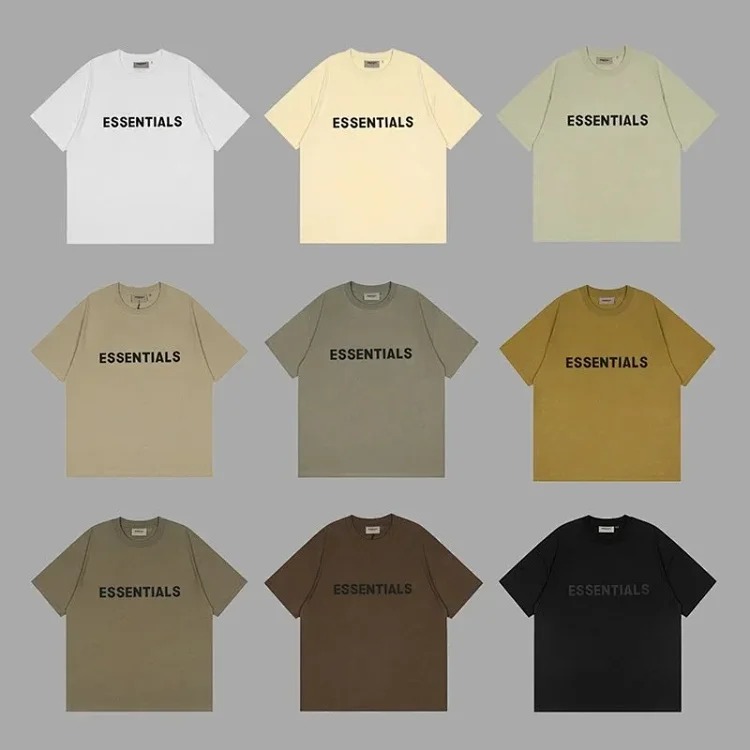
 Relaxed short-sleeve streetwear T-shirt
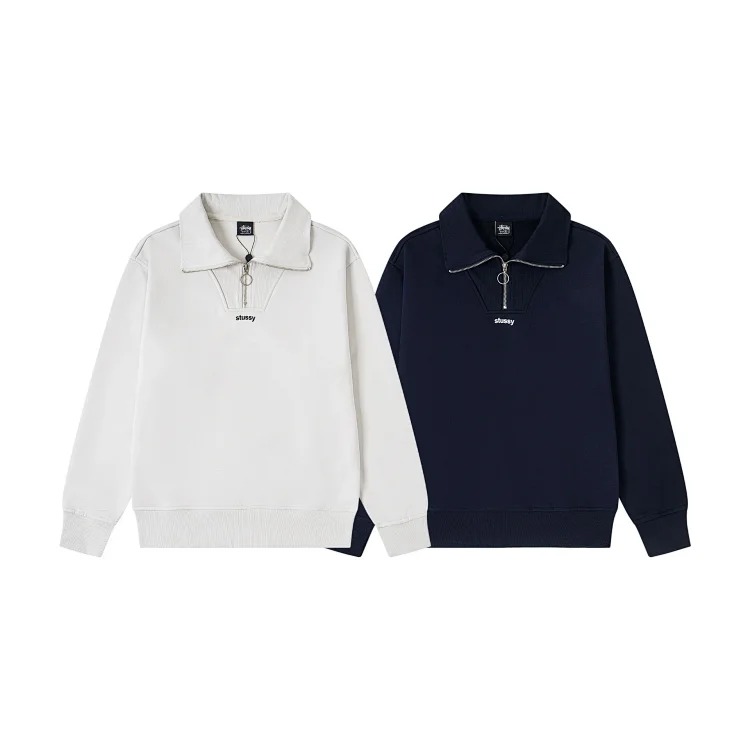 Straight-fit half-zip stand-collar sweatshirt
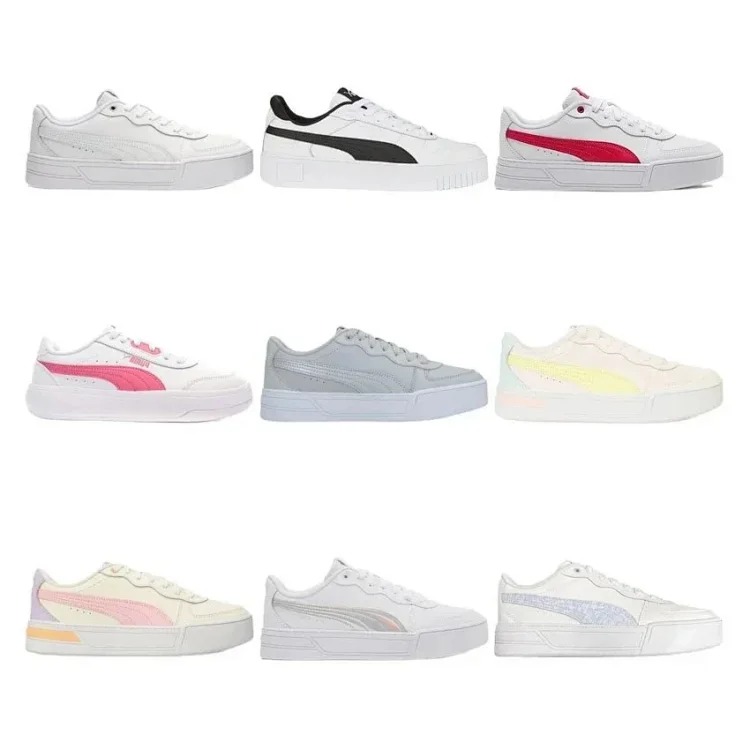 Low-profile casual sneakers
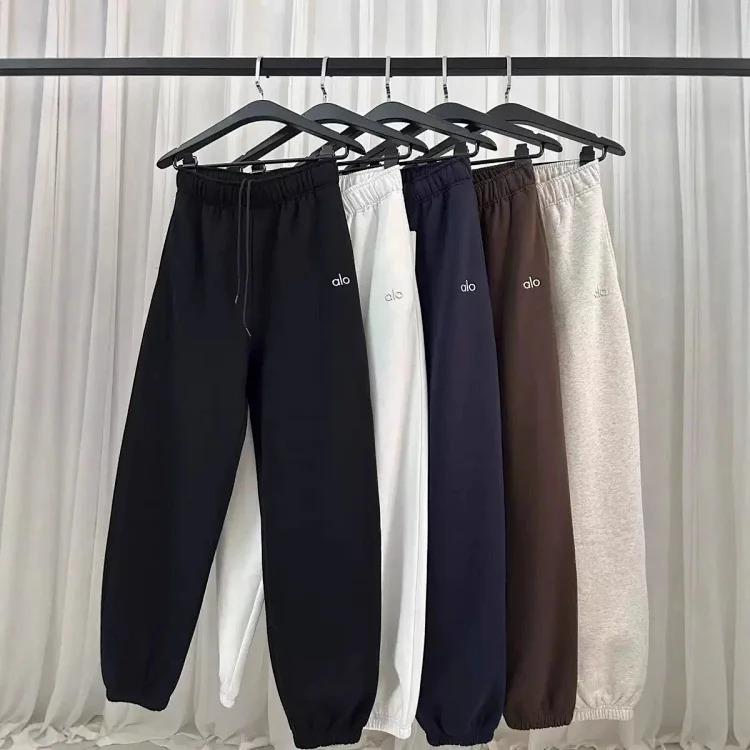 Relaxed drawstring wide-leg pants
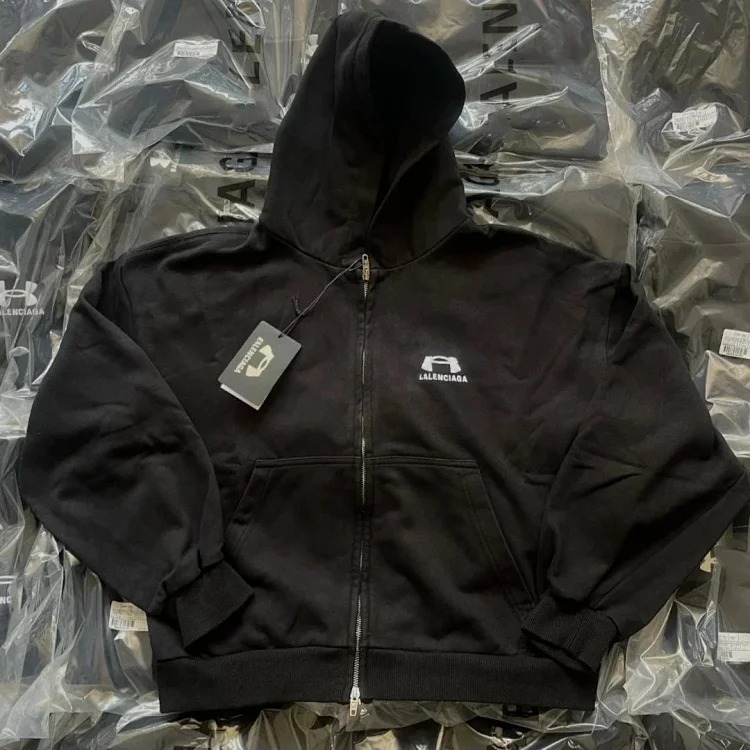 Embroidered zip sweatshirt jacket
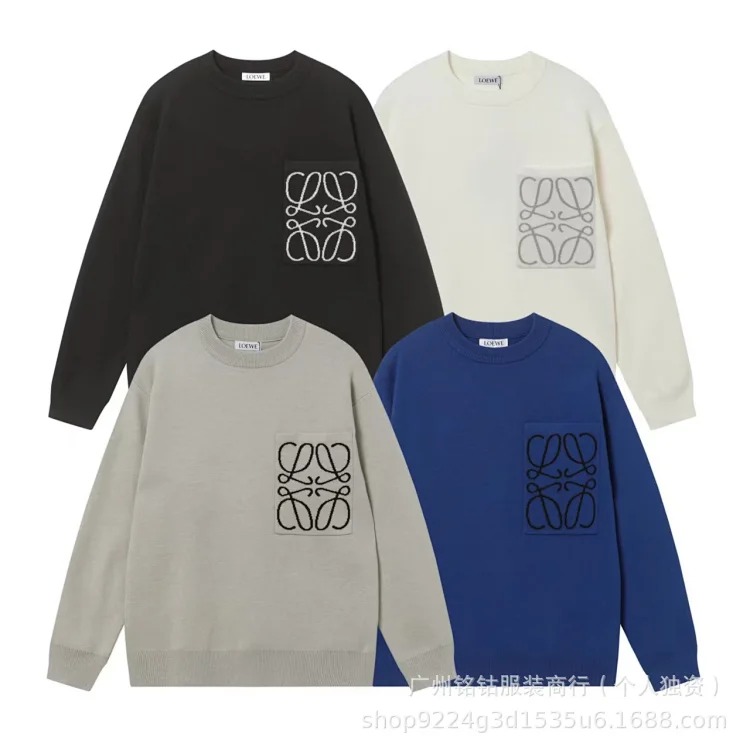 Round-neck jacquard knit sweater
What a useful PandaBuy spreadsheet should contain
A BBDBuy PandaBuy spreadsheet is most valuable before the shopping-agent order form is opened. At that point the buyer is still researching, so it is inexpensive to reject a weak listing, compare another seller or wait for missing information. A useful sheet is not a wall of blue links. It is a compact research board that records what the item is, where the link leads, why the candidate is interesting and which facts still need verification. That distinction turns browsing into a decision process instead of a race to fill a cart.
Start with one row per candidate and use columns for category, product name, destination URL, seller or source, listed price, available colors, size range, material claim, image evidence, measurement evidence and last verification date. Add a short status field such as research, shortlist, agent-ready or rejected. These fields keep the link connected to context. If a listing disappears, changes category or shows a different product later, the stored description and date make the change visible instead of silently corrupting the list.
Keep the first version small. Ten carefully annotated candidates are more useful than hundreds of unknown URLs. The OutfitReps T-shirt, hoodie, sneaker, pants, jacket and sweater links in this guide provide a practical test group. Open each item in the same tab, compare its visible evidence and fill the same columns. Consistent fields make differences easy to scan and stop one attractive image from receiving more attention than sizing, construction or total cost.
Verify the destination before trusting a buy link
Before scoring a product, confirm that the URL opens the expected domain and a specific item or category. Read the address carefully, avoid copied links with unfamiliar redirects and record the clean destination. A valid link should load without forcing an unrelated download, match the category described in the sheet and show enough identifying information to distinguish the product from similar listings. If the destination changes, mark the row for review rather than assuming the old notes still apply.
Compare the title, gallery, selected variation and visible price with the spreadsheet record. Look for contradictions: a row marked cotton may lead to a page describing a blend; a neutral hoodie may open on a bright default color; a shoe link may show a different sole unit. Capture a screenshot or short evidence note when the match is important. The spreadsheet should explain why you believed the link was relevant on the verification date, not merely prove that a URL existed.
Link safety also includes commercial clarity. Check whether the listing separates deposit, accessory and full-product options, whether the lowest displayed price belongs to the actual item, and whether the chosen variation has the same images and specifications. Avoid rows that depend on assumptions hidden in translated option labels. If the product cannot be described precisely enough for an agent to order without guessing, it is not yet agent-ready.
Compare product evidence, measurements and cost
Give every candidate the same evidence checklist. For apparel, look for front and back views, close photographs of fabric and seams, a readable size chart and a clear explanation of how measurements were taken. For shoes, add outsole, toe shape, heel structure and insole length. For bags, add internal layout, closures, strap measurements and hardware. A candidate with fewer glamorous photographs but better measurement evidence can be a safer purchase than a heavily styled listing with no construction detail.
Sizing should be measurement-first. Record a comparable garment that already fits, then place its chest, shoulder, length, waist, rise or inseam beside the seller chart. Do not convert a familiar letter size directly across products. Note whether measurements are body dimensions or garment dimensions and allow for reasonable production tolerance. When two candidates differ, the sheet should show which one is closer to the known reference rather than relying on generic advice to size up or down.
Compare total decision cost, not only the listing price. Add estimated domestic delivery, agent service charges, likely packed weight and the effect of bulky packaging. A low-price jacket may lose its advantage if it is unusually heavy; a sneaker with a box may occupy more volume than expected. Approximate numbers are acceptable when labeled as estimates. Their purpose is to expose trade-offs early, before several individually cheap products create an expensive parcel.
Score, shortlist and prepare the agent note
Use a simple score only after the facts are recorded. Rate link clarity, image evidence, measurement confidence, versatility and estimated value on the same scale. Keep a separate red-flag field so a safety or sizing failure cannot be hidden by a high average. A candidate should enter the shortlist because it clears minimum evidence requirements, not because its total score makes weak documentation look acceptable.
Limit each category to two or three finalists. Compare the OutfitReps category page with the specific item pages linked here, then write one sentence explaining the role of each finalist. A hoodie might be the neutral daily layer; a jacket might be the weather option; a sneaker might be the only high-contrast accent. Role-based notes reveal duplicates and prevent a spreadsheet from becoming a collection of products that solve the same wardrobe problem.
The final agent note should be short and unambiguous: exact URL, option, color, size, quantity and required confirmation. Include one or two priority QC requests, such as chest width for a top or insole length for a shoe. Do not paste a long research essay into the order form. The spreadsheet stores the reasoning; the agent note communicates the order. Separating those functions makes both documents easier to use.
Use the shortlist with an agent route and shipping plan
A research link is not an order. When a candidate survives the comparison stage, copy its exact URL into the order form used by your chosen shopping agent. Record the color, size, variation, quantity, and any seller option in plain language. Add a note asking the agent to contact you if the seller changes the specification or if the selected option is unavailable. Keeping the instruction beside the link reduces the risk of a substitution that looks similar in a thumbnail but does not match the item you evaluated.
After domestic delivery, treat warehouse QC as a second research checkpoint. Compare the warehouse photographs with the saved listing images and your notes. Review front, back, side, label, hardware, stitching, print position, color and obvious measurements. Shoes need outsole and insole length; tops need chest, shoulder and total length; pants need waist, rise, thigh and inseam. If a decisive angle is missing, request an extra photo instead of guessing from a compressed overview image.
Shipping decisions should be made at parcel level. Estimate the packed weight and volume of shoes, jackets and bags before adding low-priority items. Ask whether shoe boxes or excessive packaging can be removed without affecting protection, and consider insurance, declaration rules and the restrictions of the destination route. Consolidate only after every item passes QC. This sequence keeps a weak product from increasing international freight and makes the final parcel easier to budget.
Before payment, calculate a simple landed-cost range for every shortlisted item. Combine the listed price, domestic delivery, agent charges and a conservative share of international freight. Use a range because the final packed weight is not yet known. This comparison can reveal that a slightly more expensive product with clearer measurements and lower volume is the safer value. Keep currency conversion assumptions dated, since exchange rates and route prices change; the purpose is informed comparison, not a promise of the final amount.
When several products travel together, check route compatibility as well as price. Batteries, liquids, restricted materials and brand-sensitive goods can limit available lines or split a planned parcel. Ask the agent which routes accept the complete item mix before approving consolidation. If one product creates a costly restriction, compare shipping it separately, replacing it, or leaving it for a later parcel. Recording that decision beside the link keeps logistics connected to product research.
Turn research into a repeatable buying record
Keep a small decision log after each order. Save the listing URL, ordered variation, seller measurements, warehouse measurements, QC outcome, packed weight and final shipping result. The record becomes more useful than a giant unsorted spreadsheet because it shows which assumptions were correct. On a future search you can compare a new hoodie with one whose fit you already know, or estimate the freight impact of a similar pair of shoes using real parcel data.
Internal navigation also matters. Return to the PandaBuy Best Links homepage for the current link shelves, use the news hub to compare related guides, and open the relevant OutfitReps category before committing to one listing. Comparing at least three candidates makes price, materials and measurements easier to judge. The goal is not to collect the most links; it is to preserve the evidence that allows one link to earn a place in a compact, agent-ready shortlist.
A disciplined workflow ends with a clear decision: buy, hold, replace or reject. A buy has enough evidence and fits the budget. A hold needs one missing measurement or QC detail. A replacement has a better candidate in the same category. A rejection fails a safety, sizing or quality check. Using those four outcomes prevents endless browsing and turns PandaBuy-style product discovery into a process that can be repeated across sneakers, hoodies, bags and seasonal clothing.
Review the record again after delivery. Compare the warehouse prediction with the product that arrived, note whether measurements changed after washing or wear, and record which QC details were genuinely useful. This feedback closes the research loop. It also improves the next BBDBuy shortlist because future decisions are based on observed fit, construction and shipping weight rather than promotional language. Over time, a small verified archive becomes a personal sizing and logistics reference that is faster to use than starting every product search from zero.