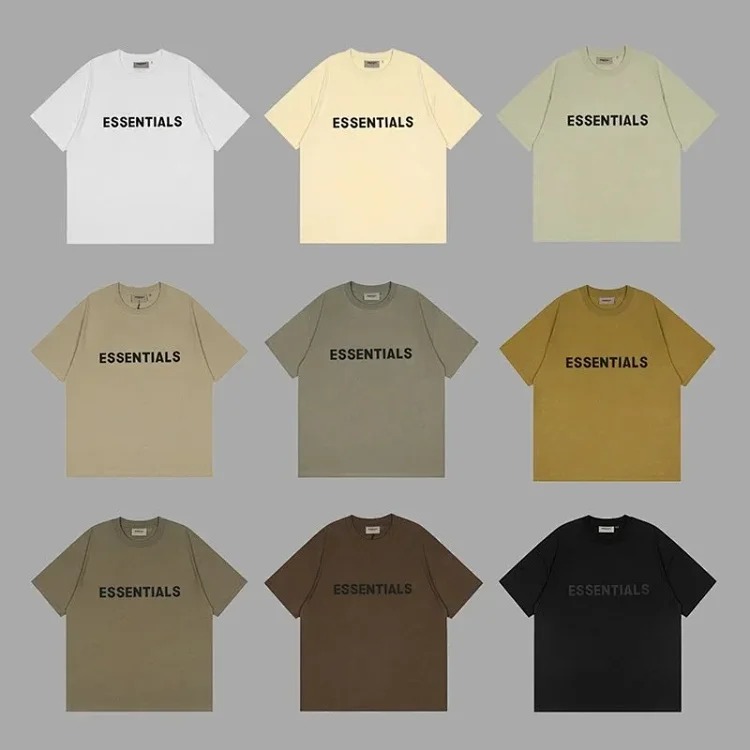
 Relaxed short-sleeve streetwear T-shirt
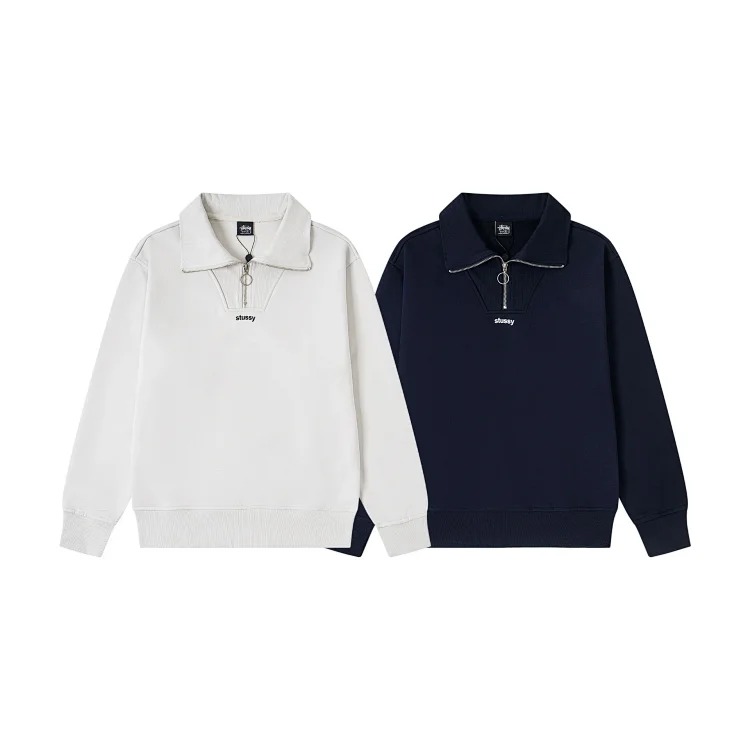 Straight-fit half-zip stand-collar sweatshirt
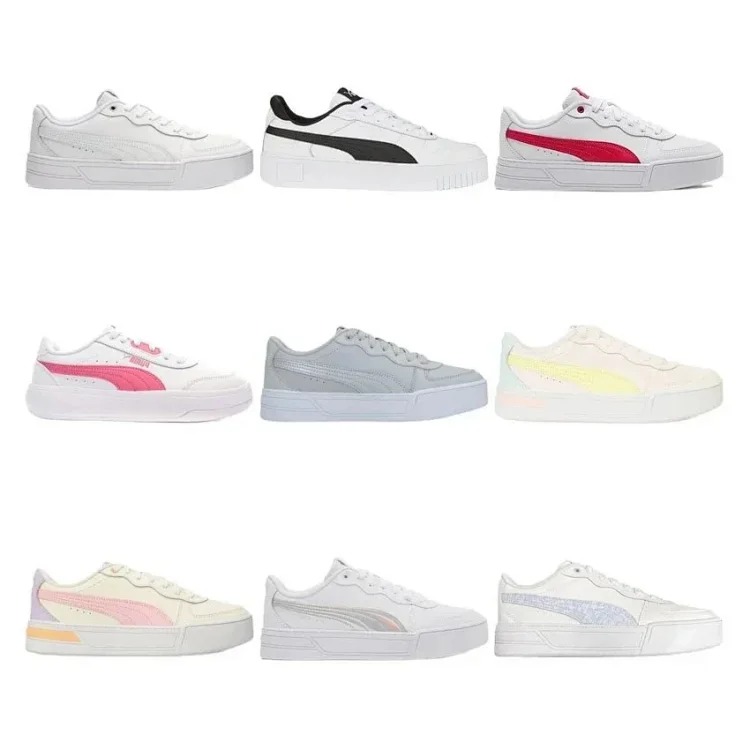 Low-profile casual sneakers
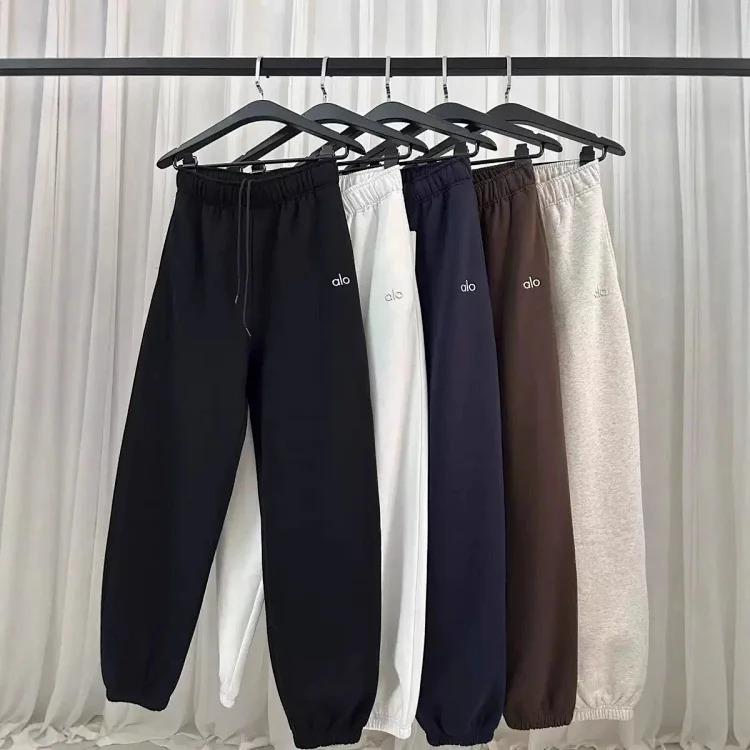 Relaxed drawstring wide-leg pants
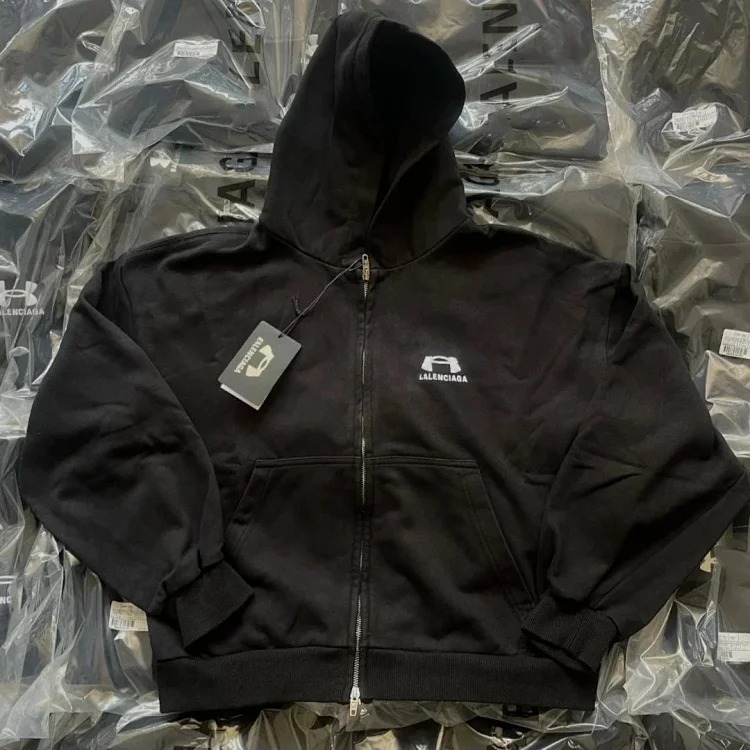 Embroidered zip sweatshirt jacket
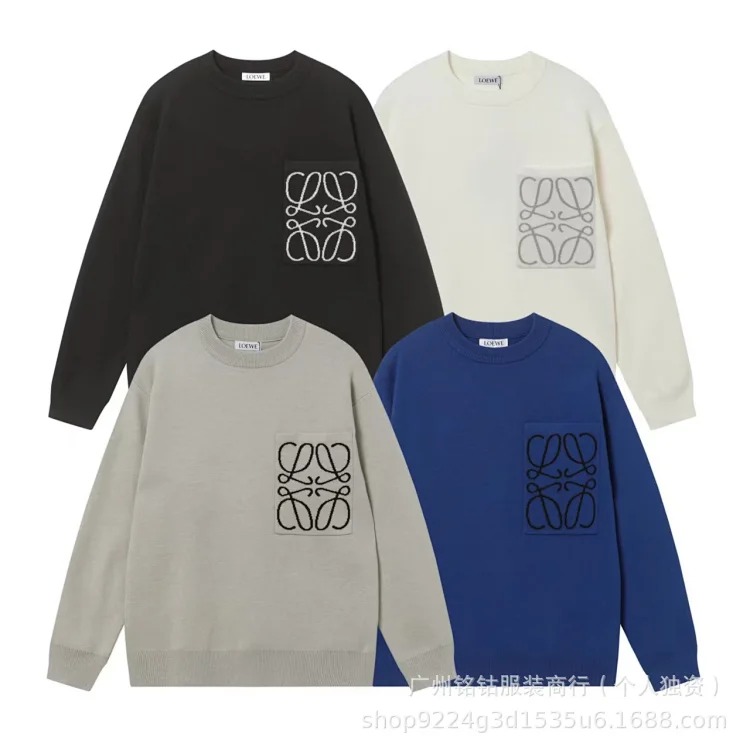 Round-neck jacquard knit sweater
Prepare the reference before warehouse photos arrive
A BBDBuy PandaBuy QC guide works best when quality control begins before the parcel reaches the warehouse. Save the product URL, selected option, color, size, seller chart and the listing images that influenced the purchase. Write down the two or three details that would cause a return, such as an incorrect measurement, missing hardware or badly placed graphic. Without that reference, warehouse photos are easy to approve because the buyer is comparing them with memory rather than evidence.
Create a one-page QC record for each item. Include order number, category, expected variation, price, known measurements and requested photo angles. Link the record to the exact OutfitReps page used during research. If the seller edits the listing later, the saved notes still show what the agent was asked to purchase. This is especially important for pages that contain multiple versions or option labels translated ambiguously.
Separate objective checks from preference checks. Objective checks include the correct product, size, color, quantity, visible damage and measurements. Preference checks include whether a wash looks attractive or a silhouette feels sufficiently oversized. Objective failures normally require immediate action; preference issues need comparison with the original listing and tolerance for lighting or production variation. Keeping these groups separate makes the decision faster and more consistent.
Run a universal photo and measurement checklist
Start with the complete set: front, back, left, right, top or interior where relevant, labels and the selected variation. Check symmetry, orientation, visible stains, tears, dents and missing components. Confirm that the warehouse label or order data matches your record. Zoom into high-risk areas rather than judging only the full-product overview. If the image resolution prevents a decision, ask for a closer photograph of the exact area.
Measurements should use the same method as the seller chart and your reference item. A chest width measured flat is not the same as body circumference; a shoe's outsole length is not the same as its insole; a bag's exterior width may not equal internal capacity. Ask the agent to position the ruler clearly from the correct endpoints. Allow normal manufacturing tolerance, but do not accept a difference that changes the intended fit simply because the printed size label is correct.
Color needs context. Warehouse lighting, camera white balance and reflective materials can shift black, cream, navy and metallic finishes. Compare multiple images and use a neutral background when requesting an extra photo. For an outfit-dependent color, place the warehouse image beside saved product candidates on the research board. The goal is to determine whether the item can perform its planned role, not to demand a perfect match to a heavily edited seller image.
Apply category-specific QC checks
For sneakers, compare both shoes for toe shape, panel placement, eyestays, stitching, heel height, sole bonding and tread. Confirm the ordered size on both shoes and request insole length when fit confidence is low. For hoodies, tees and jackets, inspect shoulders, sleeves, cuffs, hems, zippers, pockets, embroidery and print alignment. Measure chest and total length first because those dimensions strongly affect wearable fit.
For pants, inspect the waistband, closure, pockets, rise, leg symmetry, inseam and hem. Measure waist flat without stretching unless the chart specifies another method, then compare thigh and inseam with a known pair. For bags, review handles, strap anchors, corners, closures, hardware finish, lining and interior compartments. Open or move functional parts in an extra photograph if the default set cannot confirm them.
Knitwear needs attention to pulls, loose yarn, rib consistency and pattern alignment. Structured jackets need collar symmetry, zipper paths, lining and pocket placement. Use the six OutfitReps products linked above as examples of different QC profiles: the same generic three photographs are not equally informative for a shoe, a wide-leg pant and a knit sweater. Category-specific requests save time because they focus the agent on defects that would actually change the decision.
Decide whether to keep, exchange or return
Use a decision deadline and a clear threshold. Keep the item when the variation is correct, measurements fall within the accepted range and cosmetic differences are minor. Request more evidence when one decisive fact is missing. Exchange when the product is correct in principle but the received unit has a measurable or visible problem that another unit could solve. Return when the listing, variation, construction or fit evidence no longer supports the purchase.
Do not let sunk cost control the QC decision. Domestic delivery and service charges may already be paid, but shipping an unsuitable item internationally usually adds a larger cost. Compare the cost and timing of an exchange with the likely usefulness of the current unit. Record the reason in the product research board so similar listings can be screened more effectively next time.
Communicate with the agent using one issue per message and reference the photograph. State the expected condition, the observed condition and the requested outcome. For example: the ordered chest width was approximately 60 cm, the warehouse ruler shows 55 cm, please confirm the measurement and arrange an exchange if accurate. Specific, evidence-based notes are easier to translate and resolve than messages saying only that the item looks wrong.
Use the shortlist with an agent route and shipping plan
A research link is not an order. When a candidate survives the comparison stage, copy its exact URL into the order form used by your chosen shopping agent. Record the color, size, variation, quantity, and any seller option in plain language. Add a note asking the agent to contact you if the seller changes the specification or if the selected option is unavailable. Keeping the instruction beside the link reduces the risk of a substitution that looks similar in a thumbnail but does not match the item you evaluated.
After domestic delivery, treat warehouse QC as a second research checkpoint. Compare the warehouse photographs with the saved listing images and your notes. Review front, back, side, label, hardware, stitching, print position, color and obvious measurements. Shoes need outsole and insole length; tops need chest, shoulder and total length; pants need waist, rise, thigh and inseam. If a decisive angle is missing, request an extra photo instead of guessing from a compressed overview image.
Shipping decisions should be made at parcel level. Estimate the packed weight and volume of shoes, jackets and bags before adding low-priority items. Ask whether shoe boxes or excessive packaging can be removed without affecting protection, and consider insurance, declaration rules and the restrictions of the destination route. Consolidate only after every item passes QC. This sequence keeps a weak product from increasing international freight and makes the final parcel easier to budget.
Before payment, calculate a simple landed-cost range for every shortlisted item. Combine the listed price, domestic delivery, agent charges and a conservative share of international freight. Use a range because the final packed weight is not yet known. This comparison can reveal that a slightly more expensive product with clearer measurements and lower volume is the safer value. Keep currency conversion assumptions dated, since exchange rates and route prices change; the purpose is informed comparison, not a promise of the final amount.
When several products travel together, check route compatibility as well as price. Batteries, liquids, restricted materials and brand-sensitive goods can limit available lines or split a planned parcel. Ask the agent which routes accept the complete item mix before approving consolidation. If one product creates a costly restriction, compare shipping it separately, replacing it, or leaving it for a later parcel. Recording that decision beside the link keeps logistics connected to product research.
Turn research into a repeatable buying record
Keep a small decision log after each order. Save the listing URL, ordered variation, seller measurements, warehouse measurements, QC outcome, packed weight and final shipping result. The record becomes more useful than a giant unsorted spreadsheet because it shows which assumptions were correct. On a future search you can compare a new hoodie with one whose fit you already know, or estimate the freight impact of a similar pair of shoes using real parcel data.
Internal navigation also matters. Return to the PandaBuy Best Links homepage for the current link shelves, use the news hub to compare related guides, and open the relevant OutfitReps category before committing to one listing. Comparing at least three candidates makes price, materials and measurements easier to judge. The goal is not to collect the most links; it is to preserve the evidence that allows one link to earn a place in a compact, agent-ready shortlist.
A disciplined workflow ends with a clear decision: buy, hold, replace or reject. A buy has enough evidence and fits the budget. A hold needs one missing measurement or QC detail. A replacement has a better candidate in the same category. A rejection fails a safety, sizing or quality check. Using those four outcomes prevents endless browsing and turns PandaBuy-style product discovery into a process that can be repeated across sneakers, hoodies, bags and seasonal clothing.
Review the record again after delivery. Compare the warehouse prediction with the product that arrived, note whether measurements changed after washing or wear, and record which QC details were genuinely useful. This feedback closes the research loop. It also improves the next BBDBuy shortlist because future decisions are based on observed fit, construction and shipping weight rather than promotional language. Over time, a small verified archive becomes a personal sizing and logistics reference that is faster to use than starting every product search from zero.