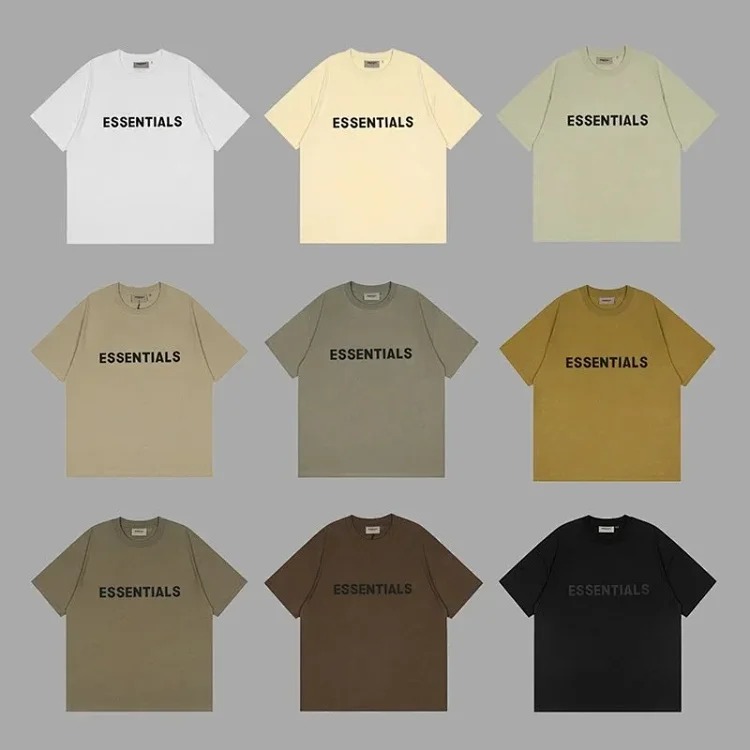
 Fear of god fog essentials multi-line chest silicone letters loose high street short-sleeved t-shirt trendy
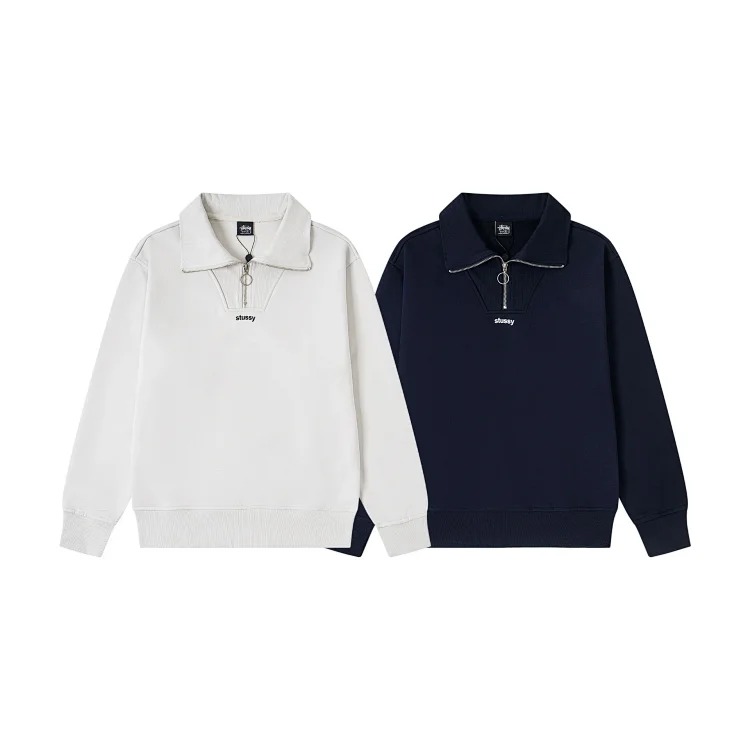 Straight fit loose fit half zip stand collar sweatshirt
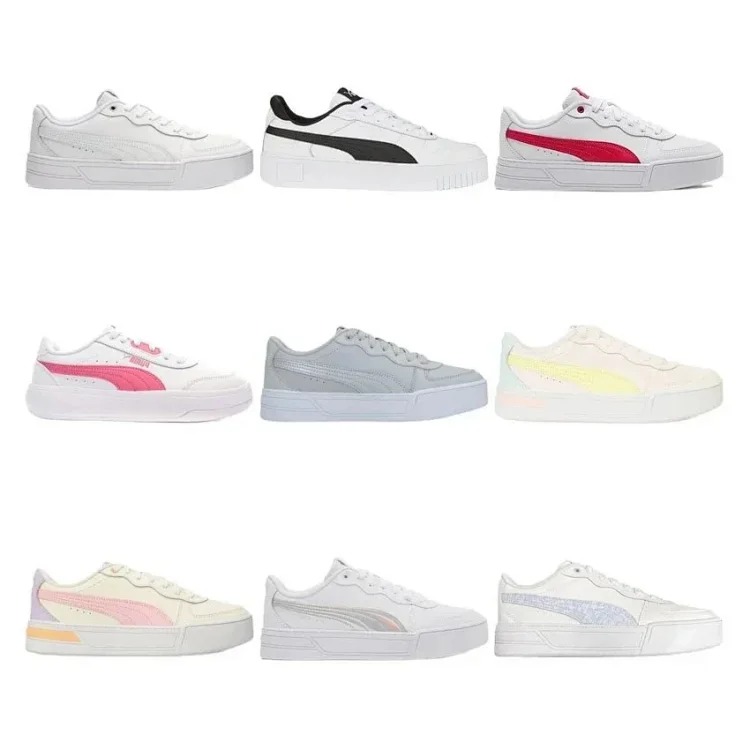 P**a skye skycasual sneakers
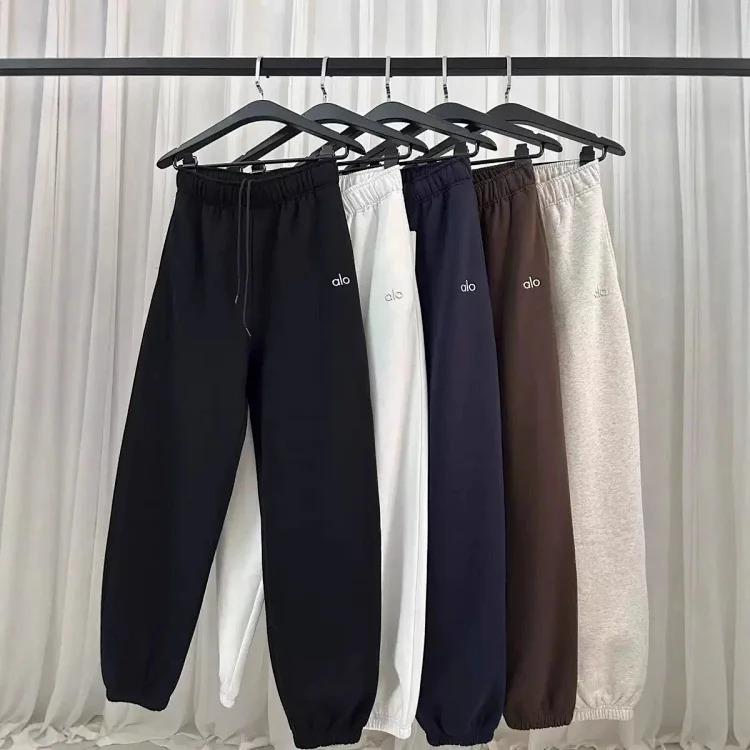 Yoga sweatpants, wide leg pants, drawstring trousers, loose and casual
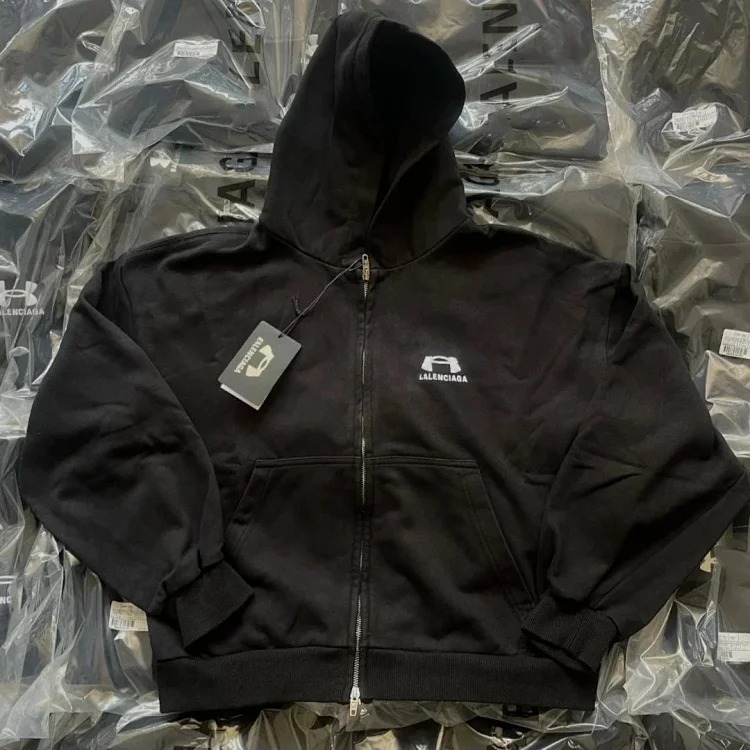 Embroidered sweatshirt zipper hoodie loose os fit zipper sweatshirt jacket
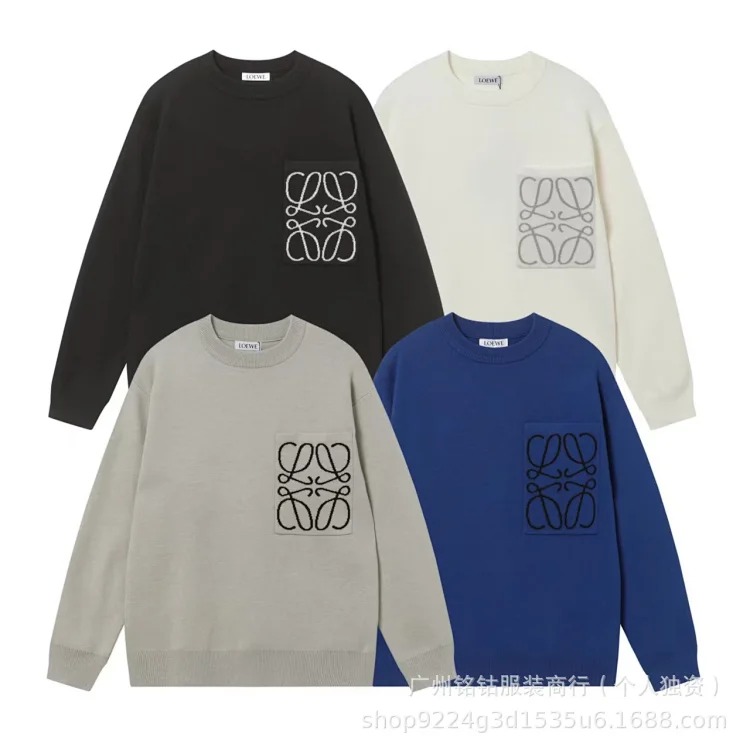 Low letter jacquard knitted sweater round neck casual versatile style for men and women
Start with a clear brief
A useful disciplined Outfitreps shopping shortlist begins with a written brief, not an open browser and a vague wish list. Decide where the outfit will be worn, how often each piece should appear in rotation, which colors already exist in the wardrobe, and what level of visual impact feels comfortable. For shoppers building a reliable first rotation, this prevents a cart from becoming a collection of unrelated products. The aim is to create a small system in which tops, bottoms, footwear, and accessories cooperate. Outfitreps product pages make comparison easier because images, category context, and item details can be checked one at a time before any agent order is placed.
Treat the product grid as research
The products in this guide are starting points for research around a flexible everyday outfit. Open every Outfitreps detail page and compare the main image with alternate views before deciding that an item belongs in the plan. A strong photograph can make any product look convincing, so look beyond the first impression. Check the silhouette, seam placement, surface texture, hardware, color consistency, and how the item sits on a body or display form. Save a short note beside each candidate. Recording why an item works makes the final shortlist easier to defend and reduces duplicate purchases that fill the same role.
Build from one visual anchor
Choose one visual anchor for the disciplined Outfitreps shopping shortlist: a distinctive jacket, a well-proportioned pair of shoes, a textured knit, or a practical bag. Everything else should support that anchor rather than compete with it. If the key piece is loud, keep the base layers quiet. If the anchor is minimal, use texture and proportion to create interest. This hierarchy is important during a changing season, when layering can introduce several colors and materials at once. A clear anchor gives the outfit a reason to exist and helps shoppers reject attractive products that do not serve the intended look.
Use a controlled color system
Limit the core palette to two or three dependable colors, then allow one smaller accent. Black, charcoal, navy, cream, olive, stone, and washed denim are useful foundations because they connect easily across categories. The accent might appear in a logo, outsole, cap, bag detail, or small piece of jewelry. Compare color under different product photographs because lighting can make the same shade appear warmer or cooler. When exact matching is uncertain, choose intentional contrast instead of two almost matching colors. A controlled palette also increases the number of combinations available from a small set of items.
Balance proportions before branding
Proportion usually determines whether a flexible everyday outfit looks considered. Compare the width of the top with the shape of the trousers, the visual weight of the shoes, and the point where outerwear ends on the torso. An oversized top often works best with either a clean straight leg or a deliberate wide leg, while a cropped or fitted layer can balance fuller trousers. Avoid choosing every piece in its most exaggerated form. Brand recognition cannot repair an outfit in which every item fights for attention. Use measurements from a garment that already fits well, then compare those numbers with available size information.
Check material behavior
Product images should be read for material behavior as well as color. Look for how fabric folds, whether ribbing returns cleanly, how a hood holds its shape, whether trouser knees collapse, and whether a bag keeps a stable structure. Heavy fabrics create sharper volume but can feel warm and difficult to pack. Lighter fabrics layer easily but may reveal construction more clearly. Smooth technical materials reflect light differently from brushed cotton or knitwear. Combining two or three material families adds depth without requiring loud graphics. The best choice is the material that supports the intended use, climate, and maintenance routine.
Create a six-piece compatibility test
Before ordering, place the selected product images into a simple six-piece board: one outer layer, two tops, one bottom, one footwear option, and one accessory. Test at least four complete combinations from those six pieces. If an item works in only one combination, decide whether it is special enough to justify that limitation. Versatile products should carry most of the budget, while experimental pieces should remain a smaller share. This compatibility test reveals color conflicts and repeated silhouettes early. It also turns Outfitreps browsing into an organized selection process instead of an endless stream of individually appealing cards.
Inspect product details carefully
Zoom into logos, embroidery, printed areas, zippers, buttons, pocket alignment, edge paint, sole shape, and repeated patterns. The relevant details depend on the category, but the method stays consistent: compare symmetrical areas, look for interrupted lines, and note whether close photographs are sharp enough to support a decision. Do not treat missing views as proof that a hidden area is perfect. Record uncertainty and ask the buying agent for clarification when possible. A confident purchase comes from identifying what is known, what remains unknown, and which imperfections would actually matter once the item is worn.
Plan the agent workflow
A product link is only the beginning of the buying process. Copy the exact Outfitreps detail URL, product title, selected color, size, and any important notes into a working sheet before submitting an agent order. Keep one row per item and include a screenshot when naming is ambiguous. After the warehouse receives the item, compare QC images against the saved detail page. Check the selected variation first, then dimensions, visible defects, construction, and color. This record prevents confusion when several similar items arrive and gives the shopper a consistent basis for accepting, exchanging, or returning a product.
Evaluate sizing with measurements
Sizing should be approached as a measurement problem, especially for shoppers building a reliable first rotation. Labels such as small, medium, or large are not reliable across different sellers. Measure a comparable garment laid flat, including chest width, shoulder width, body length, sleeve length, waist, rise, thigh, inseam, and hem where relevant. Decide which measurements can vary and which are nonnegotiable. Add tolerance for the intended fit and material. A rigid jacket may need more movement room than a soft sweatshirt, while wide trousers depend heavily on rise and length. Save the target measurements before browsing so decisions stay consistent.
Prioritize comfort and repeat wear
A guide is successful when the resulting products are worn repeatedly, not when the first photograph receives attention. Consider weight, breathability, pocket placement, ease of movement, closures, lining, and how the item behaves during a full day. Shoes should suit the walking demands of the intended setting. Bags should hold the actual daily load. Outerwear should close comfortably over planned layers. A visually strong product that remains in the wardrobe is poor value. Comfort is not opposed to style; it is what allows a coherent style idea to survive beyond a single staged outfit.
Budget by role, not impulse
Assign a budget to each role before choosing exact products. Footwear and outerwear often deserve a larger share because they influence the whole silhouette and may receive heavier use. Base layers can be simpler, provided the fabric and fit are appropriate. Accessories should refine the look without consuming money needed for core pieces. Include agent fees, domestic shipping, international shipping, and possible exchange costs in the plan. Comparing only listed product prices creates a false sense of affordability. A role-based budget keeps one exciting find from reducing the quality or usefulness of the rest of the outfit.
Use QC as a styling checkpoint
Warehouse QC is not only a defect inspection; it is the final opportunity to confirm that the outfit system still works. Compare the real color and proportion with the saved product photographs. Place QC images next to the other selected pieces and ask whether the palette remains coherent. Check whether graphic scale, trouser width, shoe volume, and bag size match the original plan. If the real item changes the balance, an exchange may be more useful than accepting it simply because construction is acceptable. Styling decisions should respond to the product that arrived, not the idealized listing image.
Avoid common shortlist mistakes
The most common mistakes are buying several near-identical items, selecting every product in the same oversized proportion, relying on a single photograph, ignoring measurements, and choosing accessories before the basic outfit works. Another mistake is treating a low price as permission to buy an item without a role. Small unnecessary purchases still add shipping weight and make the final wardrobe less coherent. Keep a waiting list for uncertain products and review it after twenty-four hours. The delay separates lasting interest from novelty and gives time to compare alternative Outfitreps detail pages with a calmer eye.
Adapt the system over time
After wearing the finished disciplined Outfitreps shopping shortlist, record what worked. Note which layer was reached for first, where movement felt restricted, which colors combined naturally, and whether the accessory carried the required items. Use those observations for the next Outfitreps shortlist. A wardrobe becomes more effective when each purchase responds to evidence from previous wear. The goal is not a final perfect capsule but a controlled cycle of selection, testing, use, and refinement. Over time, measurements become more accurate, product roles become clearer, and fewer purchases depend on guesswork or temporary trends.
A practical final checklist
Before checkout, confirm the exact Outfitreps detail URL, product variation, size measurements, available photographs, expected material, planned outfit role, budget, and agent instructions. Confirm that every linked item opens the intended detail page and that the image belongs to that same product. After arrival, repeat the check with QC photographs and keep the saved references until the order is complete. This disciplined final review may feel slower than impulse buying, but it saves time later by reducing avoidable questions, wrong variations, weak combinations, and products that never become part of a real outfit rotation.