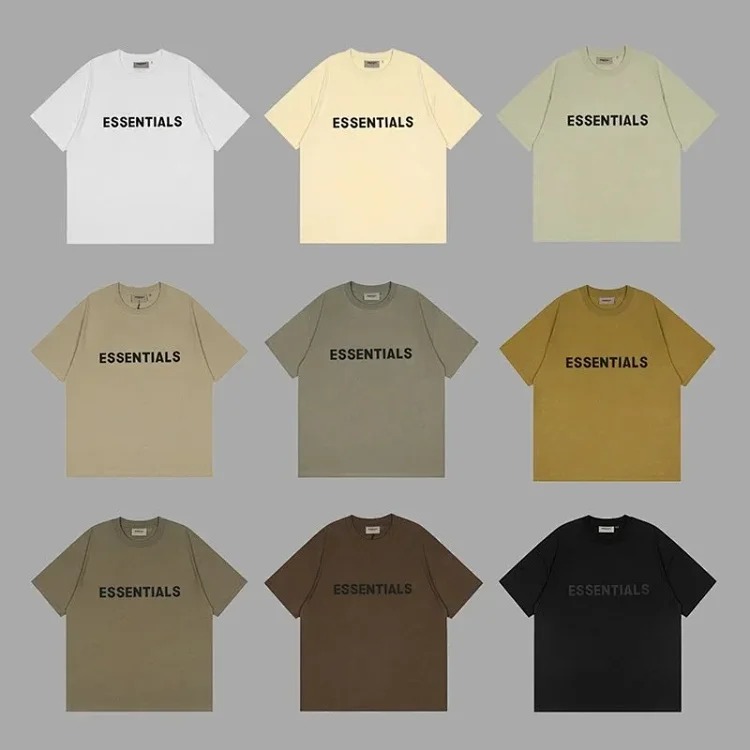
 Relaxed short-sleeve streetwear T-shirt
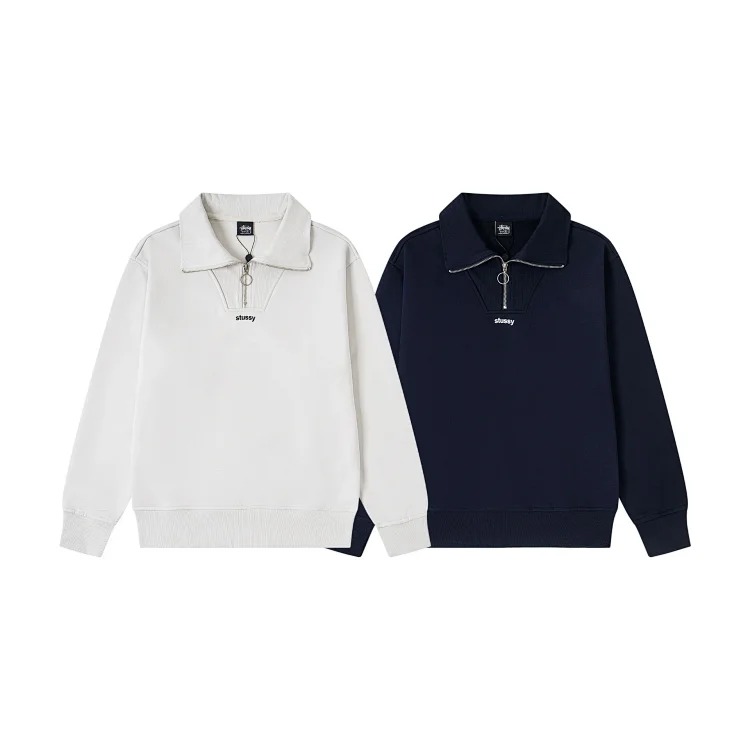 Straight-fit half-zip stand-collar sweatshirt
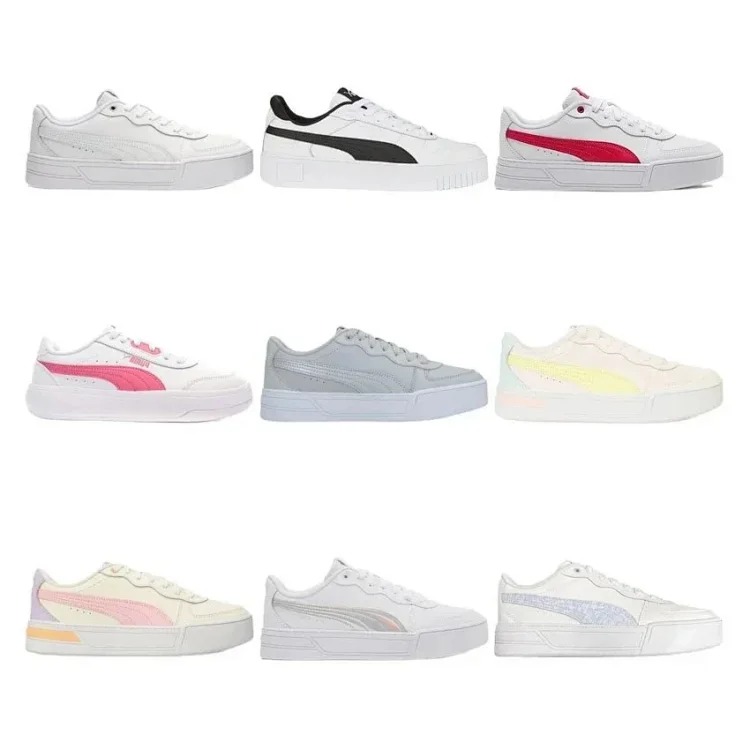 Low-profile casual sneakers
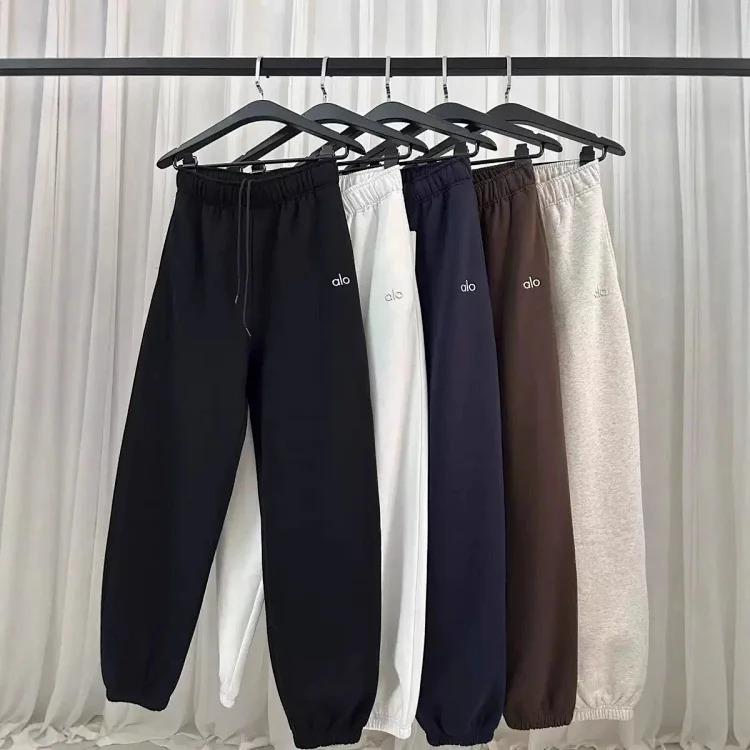 Relaxed drawstring wide-leg pants
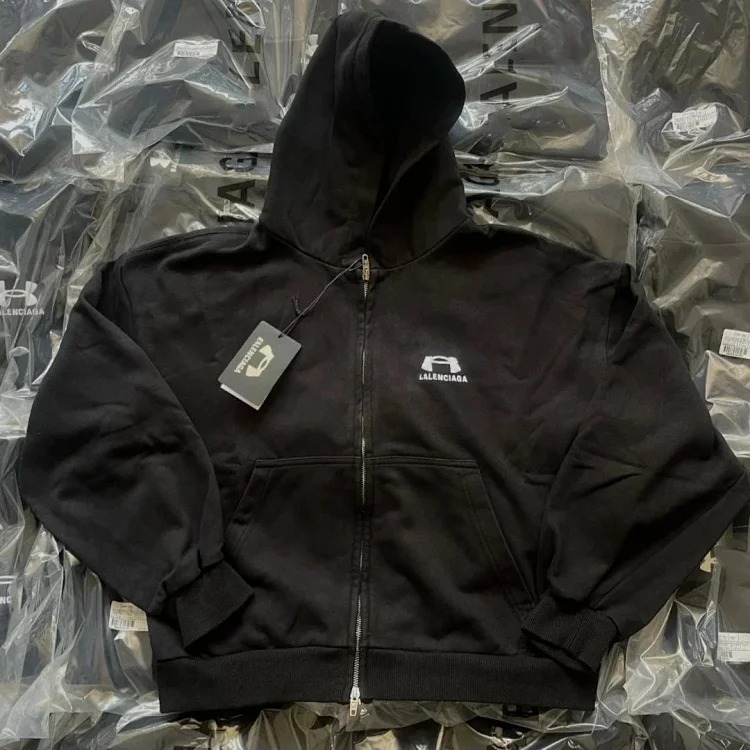 Embroidered zip sweatshirt jacket
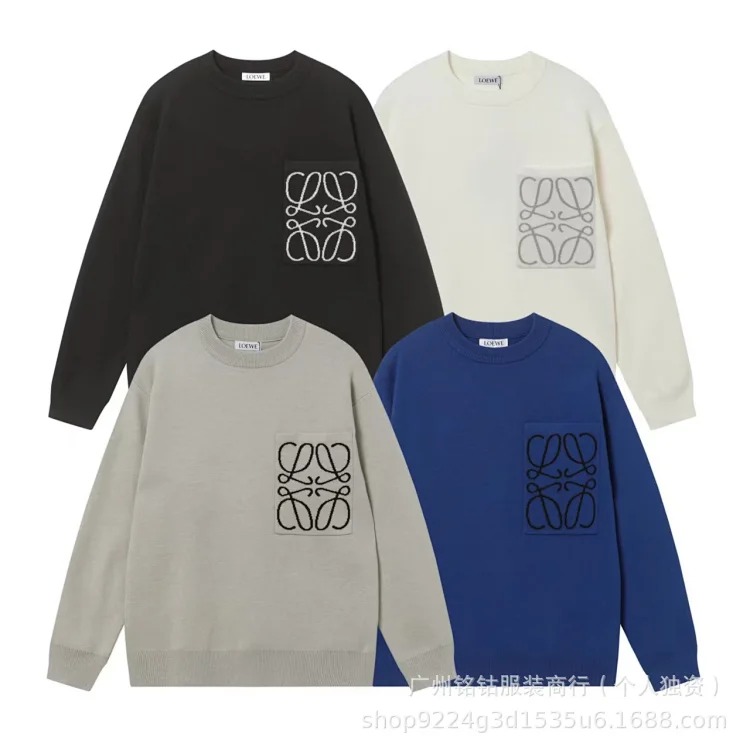 Round-neck jacquard knit sweater
Build a three-category research brief
BBDBuy PandaBuy product finds become easier to evaluate when the search begins with a brief instead of a brand name. For sneakers, hoodies and bags, write the intended use, color range, maximum item price, preferred measurements and acceptable shipping weight. A daily sneaker has different requirements from a display-focused pair; a travel hoodie needs different pockets and fabric behavior from a light indoor layer; a commuter bag must be judged by capacity and closures, not only its front photograph.
Choose one category as the anchor and let the other two support it. If shoes lead the outfit, keep the hoodie and bag visually quieter. If the bag is the statement piece, use a neutral sneaker and controlled top. This hierarchy reduces duplicate colors and details. Record the role in your research board so a candidate can be rejected even when it looks good but does not serve the planned outfit.
Use category pages to discover alternatives, then save specific product links for comparison. The OutfitReps shoe and hoodie items in this guide can be evaluated beside the bags category and related apparel pages. Keep at least three candidates per category during research, but advance only one or two. A narrow shortlist forces meaningful comparisons in measurement evidence, construction and cost.
Evaluate sneaker shape, construction and sizing
Sneaker research starts with silhouette. Review toe height, sidewall shape, heel width, panel alignment and the transition between upper and sole. Product photographs taken from only one dramatic angle can conceal asymmetry or an unusually tall toe. Look for straight-on front, rear and side views. When those are missing, make the absent angle a QC request rather than assuming the pair will match a marketing photograph.
Sizing needs an internal measurement. Compare the seller chart with the insole length of a comfortable pair, and note whether the chart describes foot length, insole length or a regional size conversion. Width matters for thick socks and broader feet. If the listing provides no width information, inspect the toe shape and ask the agent for an insole measurement after warehouse arrival. Do not order solely from the number printed on an existing shoe.
For QC, inspect left-right symmetry, toe boxes, eyestays, stitching, heel tabs, sole bonding and obvious color variation. Ask for the soles if tread or size markings matter. Estimate whether keeping the shoe box is worth the volume; removal may reduce shipping size, but protection and collectability can change the decision. Record that packaging preference before parcel submission.
Evaluate hoodie fabric, proportions and useful details
A hoodie should be compared through measurements and fabric behavior. Record chest width, shoulder width, sleeve length and body length, then check whether the intended fit is cropped, regular or oversized. A wide chest does not guarantee a balanced oversized fit if the body is excessively long. Compare the half-zip sweatshirt in this guide with a hoodie category alternative and note how the collar, zip and hem change layering options.
Look for fabric weight, interior texture, rib structure, drawcords, zipper alignment and pocket construction. A seller may use broad terms such as heavyweight without a numeric weight, so photographs of drape and interior fleece become supporting evidence rather than proof. For dark colors, QC lighting can shift the appearance; ask for a neutral-light photograph when color matching is central to the outfit plan.
During warehouse QC, review print or embroidery position, shoulder symmetry, cuff consistency, zipper path and major measurements. Make sure the selected color and size match the order record. Hoodies can add meaningful parcel volume, so estimate whether one versatile layer is better than two similar pieces. A product find is valuable when it fills a defined role repeatedly, not merely because the front graphic is appealing.
Evaluate bag structure, capacity and hardware
Bag research should begin with what must fit. List the largest everyday object, such as a laptop, tablet, bottle or camera, and compare those dimensions with the bag's internal measurements. Exterior width alone is unreliable when padding, curves or dividers reduce usable space. Check the bags category for alternatives and save candidates only when the listing provides enough information to judge real capacity.
Inspect handles, strap attachment points, zippers, snaps, edge finishing and the way the bag holds shape when empty. Hardware color should match the visual plan, while strap length should work with the intended carry position and outerwear. If the product images never show the interior, mark that as missing evidence and request warehouse photographs before accepting the item.
QC should include front and rear alignment, corners, bottom structure, hardware finish, lining, internal pockets and every closure. Ask for a ruler photograph of the critical dimension when fit is uncertain. Bags can be light but volumetric, so discuss protective stuffing versus compact packing with the agent. The right shipping choice protects structure without paying for unnecessary retail packaging.
Use the shortlist with an agent route and shipping plan
A research link is not an order. When a candidate survives the comparison stage, copy its exact URL into the order form used by your chosen shopping agent. Record the color, size, variation, quantity, and any seller option in plain language. Add a note asking the agent to contact you if the seller changes the specification or if the selected option is unavailable. Keeping the instruction beside the link reduces the risk of a substitution that looks similar in a thumbnail but does not match the item you evaluated.
After domestic delivery, treat warehouse QC as a second research checkpoint. Compare the warehouse photographs with the saved listing images and your notes. Review front, back, side, label, hardware, stitching, print position, color and obvious measurements. Shoes need outsole and insole length; tops need chest, shoulder and total length; pants need waist, rise, thigh and inseam. If a decisive angle is missing, request an extra photo instead of guessing from a compressed overview image.
Shipping decisions should be made at parcel level. Estimate the packed weight and volume of shoes, jackets and bags before adding low-priority items. Ask whether shoe boxes or excessive packaging can be removed without affecting protection, and consider insurance, declaration rules and the restrictions of the destination route. Consolidate only after every item passes QC. This sequence keeps a weak product from increasing international freight and makes the final parcel easier to budget.
Before payment, calculate a simple landed-cost range for every shortlisted item. Combine the listed price, domestic delivery, agent charges and a conservative share of international freight. Use a range because the final packed weight is not yet known. This comparison can reveal that a slightly more expensive product with clearer measurements and lower volume is the safer value. Keep currency conversion assumptions dated, since exchange rates and route prices change; the purpose is informed comparison, not a promise of the final amount.
When several products travel together, check route compatibility as well as price. Batteries, liquids, restricted materials and brand-sensitive goods can limit available lines or split a planned parcel. Ask the agent which routes accept the complete item mix before approving consolidation. If one product creates a costly restriction, compare shipping it separately, replacing it, or leaving it for a later parcel. Recording that decision beside the link keeps logistics connected to product research.
Turn research into a repeatable buying record
Keep a small decision log after each order. Save the listing URL, ordered variation, seller measurements, warehouse measurements, QC outcome, packed weight and final shipping result. The record becomes more useful than a giant unsorted spreadsheet because it shows which assumptions were correct. On a future search you can compare a new hoodie with one whose fit you already know, or estimate the freight impact of a similar pair of shoes using real parcel data.
Internal navigation also matters. Return to the PandaBuy Best Links homepage for the current link shelves, use the news hub to compare related guides, and open the relevant OutfitReps category before committing to one listing. Comparing at least three candidates makes price, materials and measurements easier to judge. The goal is not to collect the most links; it is to preserve the evidence that allows one link to earn a place in a compact, agent-ready shortlist.
A disciplined workflow ends with a clear decision: buy, hold, replace or reject. A buy has enough evidence and fits the budget. A hold needs one missing measurement or QC detail. A replacement has a better candidate in the same category. A rejection fails a safety, sizing or quality check. Using those four outcomes prevents endless browsing and turns PandaBuy-style product discovery into a process that can be repeated across sneakers, hoodies, bags and seasonal clothing.
Review the record again after delivery. Compare the warehouse prediction with the product that arrived, note whether measurements changed after washing or wear, and record which QC details were genuinely useful. This feedback closes the research loop. It also improves the next BBDBuy shortlist because future decisions are based on observed fit, construction and shipping weight rather than promotional language. Over time, a small verified archive becomes a personal sizing and logistics reference that is faster to use than starting every product search from zero.