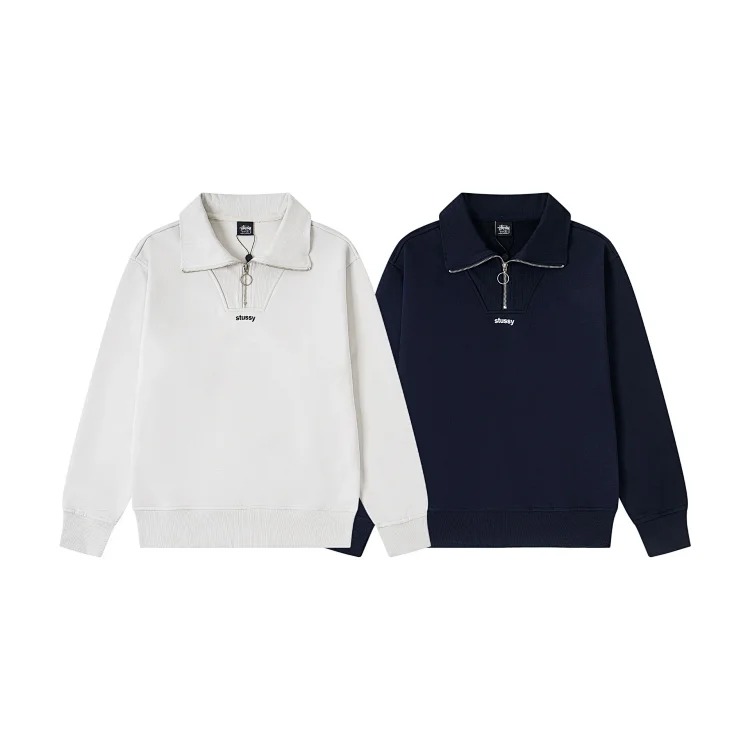
 Half-zip sweatshirt
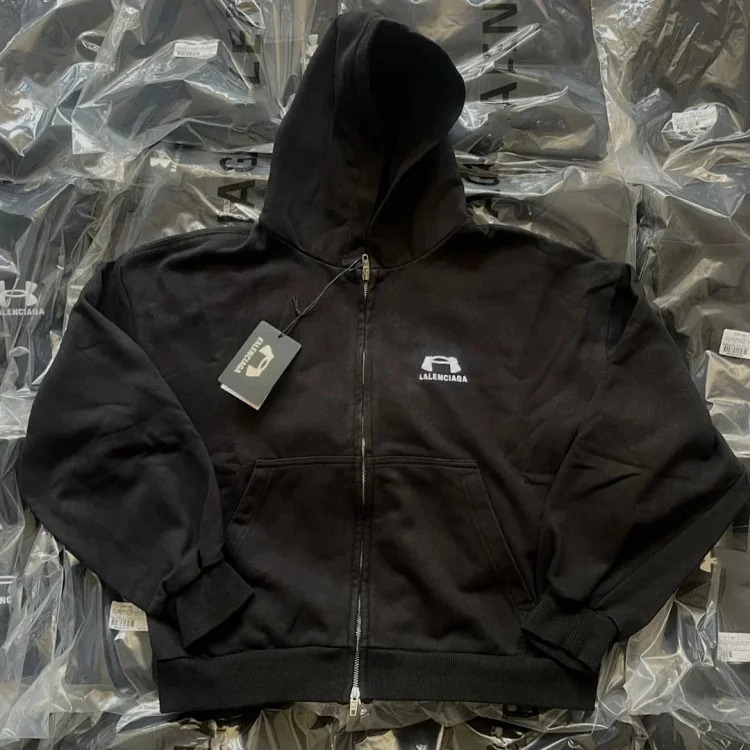 Embroidered zip jacket
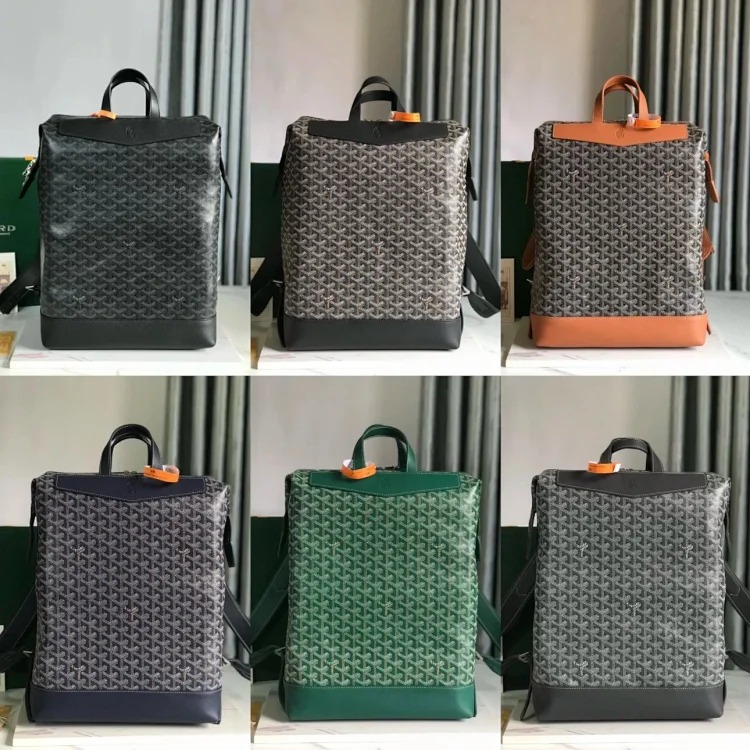 Bags category shelf
 All products library
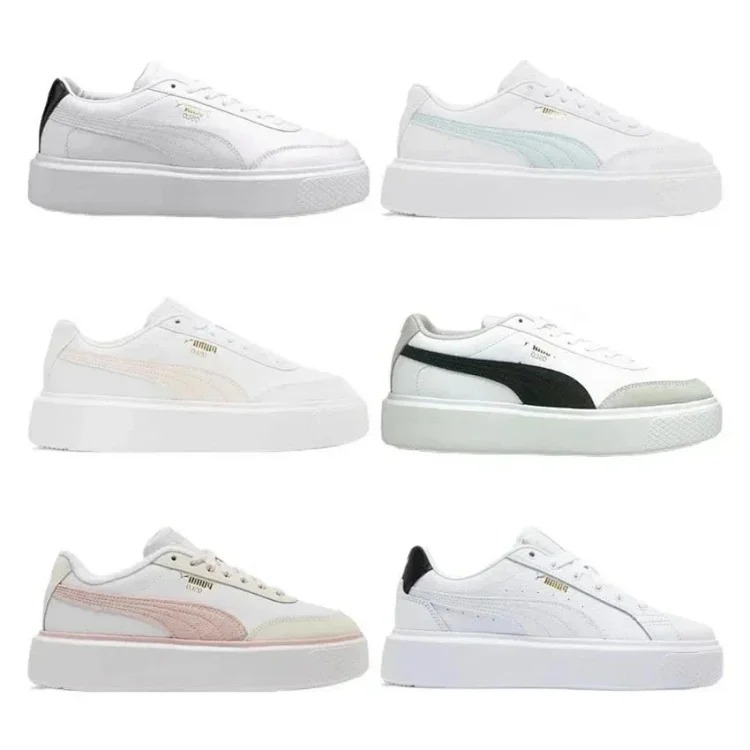
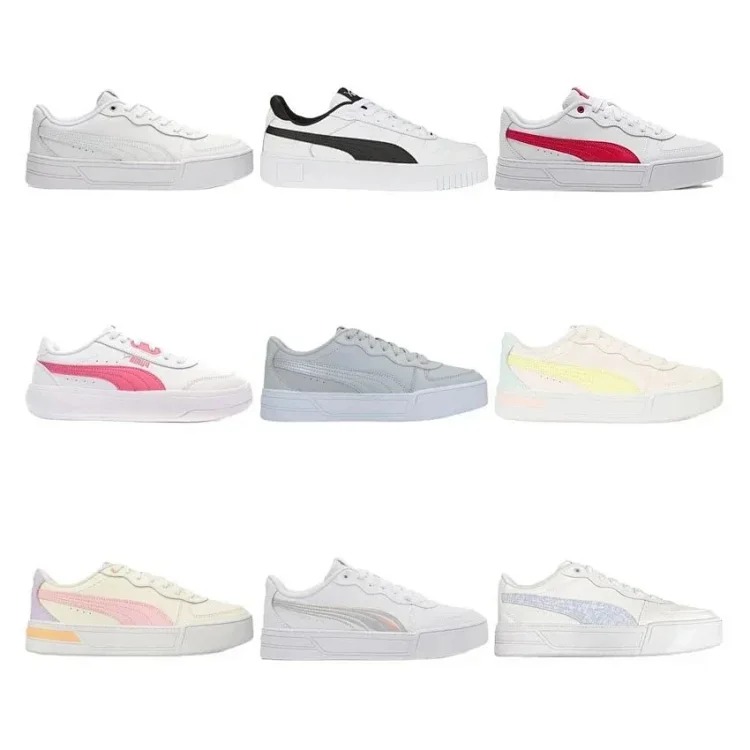 Shoes research shelf
A useful PandaBuy best links guide is more than a page of bookmarks. It is a compact research system that helps you decide what is worth opening, what still needs verification, and what instructions an agent will need later. This BBDBuy guide focuses on the part before an order: collecting relevant product links, comparing evidence consistently, and keeping fit, quality-control (QC), agent-route, and shipping questions attached to each candidate. The goal is a short, explainable list—not an endless spreadsheet of attractive thumbnails.
Start from the PandaBuy Best Links home library and use the news and guide archive when you need a deeper process. For product discovery, browse OutfitReps’ all-products collection, then narrow your shortlist through hoodies, jackets, shoes, and bags. These are research destinations; verify current listing details, seller terms, and availability before placing any order.
Record evidence, not just links and prices
Every saved link should answer three questions: what is the item, why did it make the shortlist, and what remains uncertain? A spreadsheet row or note can include the exact product URL, category, date checked, chosen color or variation, displayed price, intended use, and the next question to resolve. Separate observations from assumptions. “The listing shows a close-up of the collar” is an observation; “the fabric will feel heavy” is an assumption unless the page provides reliable material or weight information.
Use a consistent status such as “candidate,” “needs measurements,” “QC criteria written,” or “ready for agent review.” This keeps the board useful when several people or shopping sessions are involved. Avoid using a single score to hide important differences: an inexpensive item with unclear sizing may be less suitable than a slightly costlier option with measurements and clear photos. Note the reason for keeping or rejecting each candidate so the board reflects a decision rather than merely collecting links.
For a top, compare the actual cut and construction cues visible in the listing: shoulder position, body length, sleeve shape, ribbing, seams, print placement, and the way the fabric falls. For shoes, record the last shape, outsole profile, closure, and any size evidence. For bags, look at dimensions, compartments, strap attachment, closures, and hardware. Product category shelves like T-shirts and bags help compare like with like rather than mixing unrelated item types.
Set fit and QC checks before selecting a variation
Size notes should be measurable. For clothing, record a garment you already own that fits the way you want, lay it flat, and measure the relevant points—often chest width, body length, shoulder width, and sleeve length. Compare those numbers with the listing’s size chart, while checking whether the chart describes body measurements or garment measurements. Do not assume that the same letter size means the same fit across brands, categories, or cuts. For shoes, compare foot length with the seller’s or brand’s chart and consider width and sock thickness; a size conversion alone is not enough.
Write a short QC request linked to the exact color and size you selected. Ask for clear photographs of the front, back, labels or details that matter, and close-ups of any feature that influenced your choice. When fit is critical, request the measurements that correspond to your reference garment. Decide in advance what would be acceptable, what would need a clarification, and what would make you pause. QC photos can reveal visible discrepancies, but they cannot guarantee materials, performance, authenticity, or how an item will fit you.
Keep quality review specific and proportionate. For a jacket, inspect zipper alignment, seams, pocket placement, and the shape shown in the reference images. For a hoodie, note hood construction, cuffs, hem, and graphic position. For a bag, inspect stitching, strap anchors, dimensions, and closures. The jacket shelf and shoe shelf are good reminders that each category needs its own checklist; one generic “looks good” note is rarely helpful.
Prepare the agent route and shipping decision separately
A product link is only the first handoff. Before sending it through an agent route, check that the destination opens the intended listing and that the selected variation is available. Include the exact URL, color, size, quantity, measurement reference, and QC request in the agent notes. If a listing changes or the agent’s system resolves a different product, stop and compare the new information with your saved research before proceeding. Do not rely on a shortened label when the full destination and variation can be recorded.
Keep domestic handling and international parcel planning as separate decisions. First, confirm that the item arrived at the warehouse and review the QC evidence. Then check the current shipping options, destination restrictions, declared-value rules, estimated parcel weight or volume, insurance options, and delivery expectations shown by the agent. Rates and route availability change, and estimates are not a promise of final cost or transit time. If the parcel estimate matters to your budget, use the agent’s current calculator after warehouse measurements rather than guessing from a product photo or list price.
Packaging choices can affect both protection and parcel dimensions. Decide whether original boxes, tags, or extra packaging are important to you, and ask the agent about available options before rehearsal or dispatch. Preserve screenshots or order notes for the selected route and keep tracking information with the order record. This makes later questions easier to resolve without confusing the seller link, warehouse stage, and international carrier stage.
Keep the research library concise and reusable
Review the board regularly: remove dead links, mark sold-out or changed listings, and keep only candidates with a clear purpose. Save one line explaining why a link is relevant and one line describing the next check. When an item reaches the warehouse, update the status rather than duplicating it in a new list. A tidy research board reduces repeated browsing and makes it easier to build a balanced cart instead of buying several items that serve the same role.
Use a small set of internal references to improve consistency. The product-link safety guide explains destination and variation checks; the warehouse QC workflow helps turn preferences into review notes; and the shipping-weight guide covers the difference between an early estimate and a measured parcel. Return to the guide archive for related topics, and to the home library to restart product discovery.
The strongest PandaBuy best links guide does not claim certainty where a listing or a shipping estimate cannot provide it. It preserves the evidence, names the open questions, and gives the agent clear instructions at the right stage. Start with a manageable number of finds, compare equivalent items, confirm sizes with measurements, review QC before parcel approval, and check live route information when you are ready to ship. That repeatable method is more valuable than a huge collection of unreviewed links.